
This past summer, our Cheese Buyer and Imports Manager, David Robinson, and Head Cheese Buyer, Marc Hernandez, traveled across Spain and France. During their journey, they paid visits to some of our long-time producers (like Spanish cheesemaker Kamiku) and also discovered new partners along the way. This is Marc’s account of the part of their trip spent traveling through the French Pyrénées.
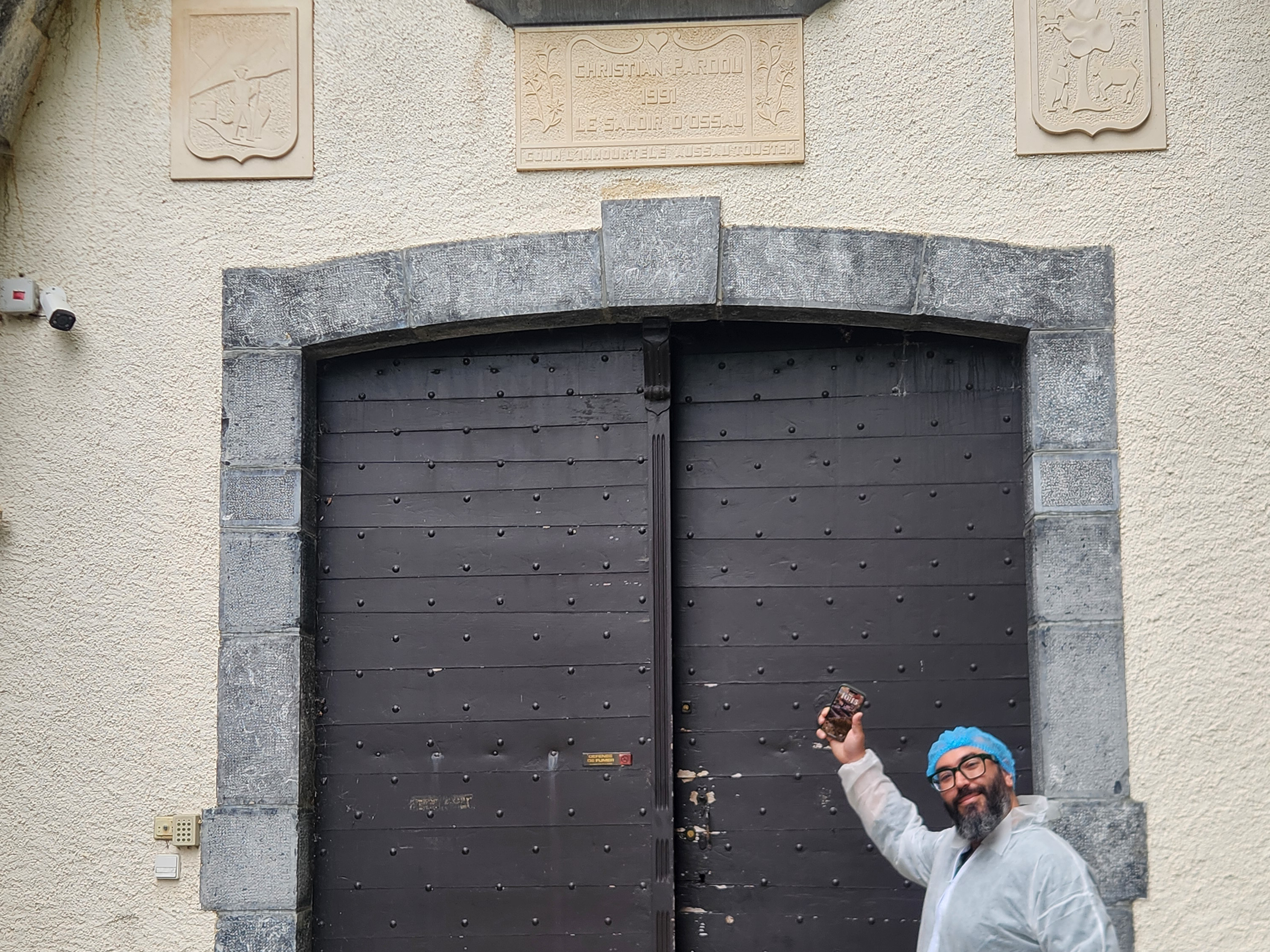
Fromagerie Pardou
After our visit with our new partner Cultivo in Spain (more on them in a future travelogue), we made the trek over to see Sophie Pardou at Fromagerie Pardou in Laruns, France. Laruns is a small village outside of Pau in the Province of Béarn in the Ossau Valley (hence the Ossau Iraty cheese they age—a name protected sheep’s milk cheese that is made in the Ossau valley in Béarn or Itary forest of Pays Basque). Not to be confused with Pays Basque—Béarn is not a Basque province—it has its own distinct history, language, and culture.
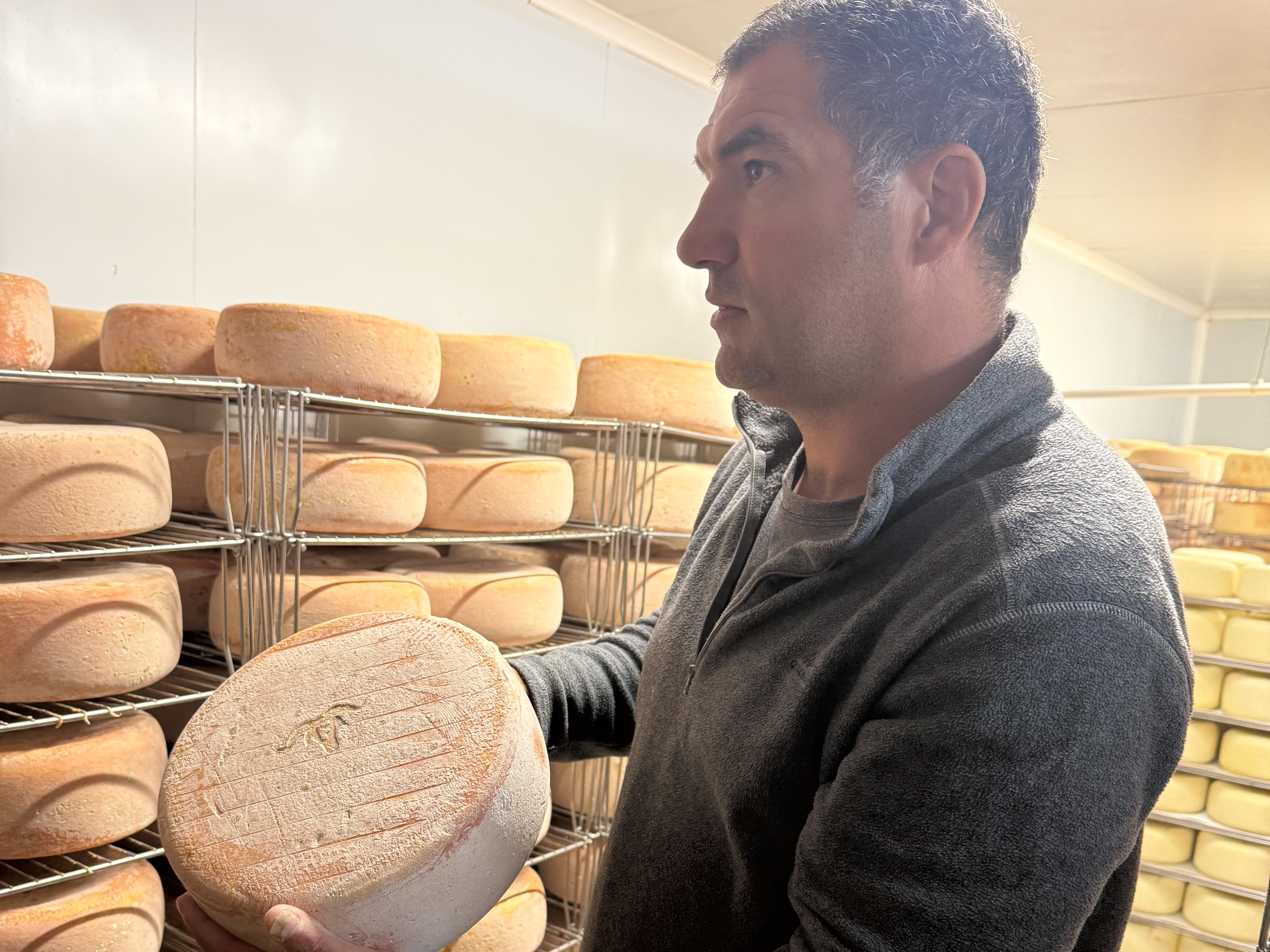
Sophie Pardou welcomed us when we arrived and brought us into the aging facility, an abandoned railroad tunnel, where they have been aging cheese since the 1990’s. On my last visit, Sophie gave me a hard time for my serious lack of French skills. This time, it was still an issue, but luckily Google translation came to the rescue.
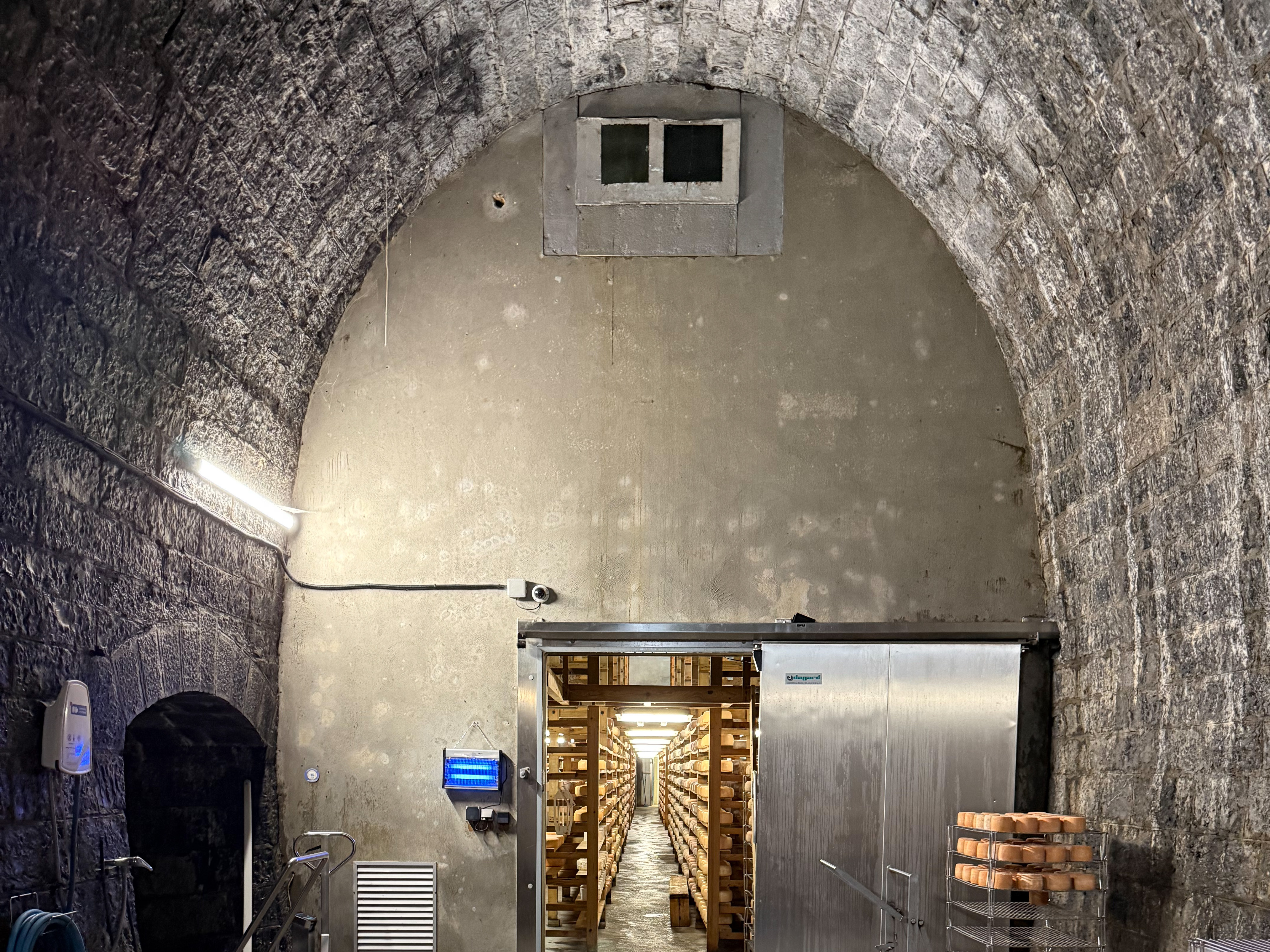
Sophie works with seven small, local shepherds and provides them the resource of her cave, the ability to age their cheeses with her. After aging is complete, she keeps a portion of their cheese to sell on her own, and returns a portion of their cheese back to them, in a per diem system. Only three people, including Sophie, work to age the thousands of wheels of cheese in the tunnel. The cheese is washed twice a week for the duration of their maturation, mostly by hand, but some machines have been purchased to make the process more efficient labor-wise.
Over coffee, David and I caught up with Sophie and discussed the past few years and where she sees the business progressing. Tragically, her husband, Christian, passed away this past spring. Their child, Emily, has moved away and isn't really interested in continuing the family business. Sophie anticipates that she will continue for about 10 more years before retiring, leaving the future of Fromagerie Pardou uncertain, and likely limited.
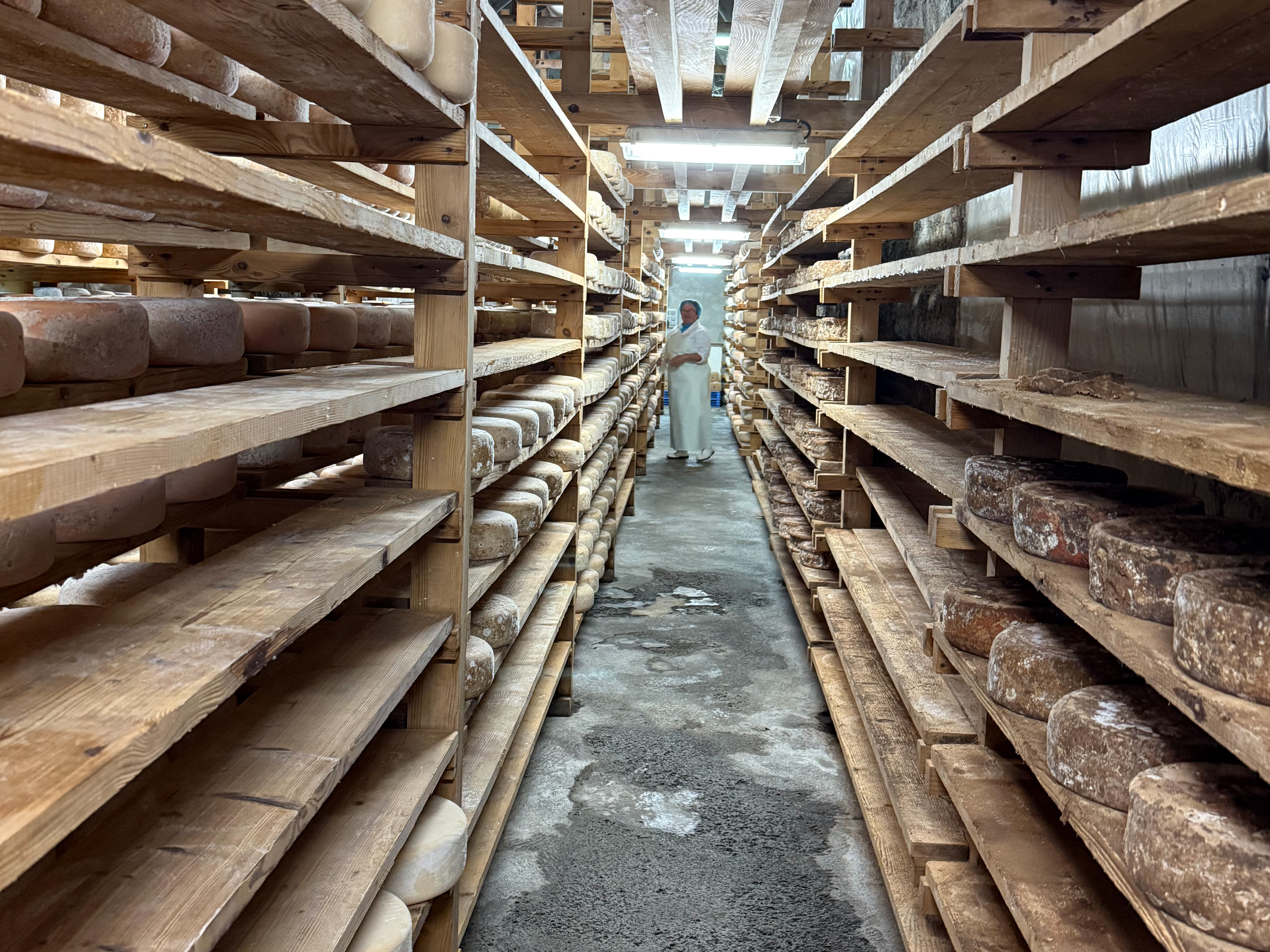
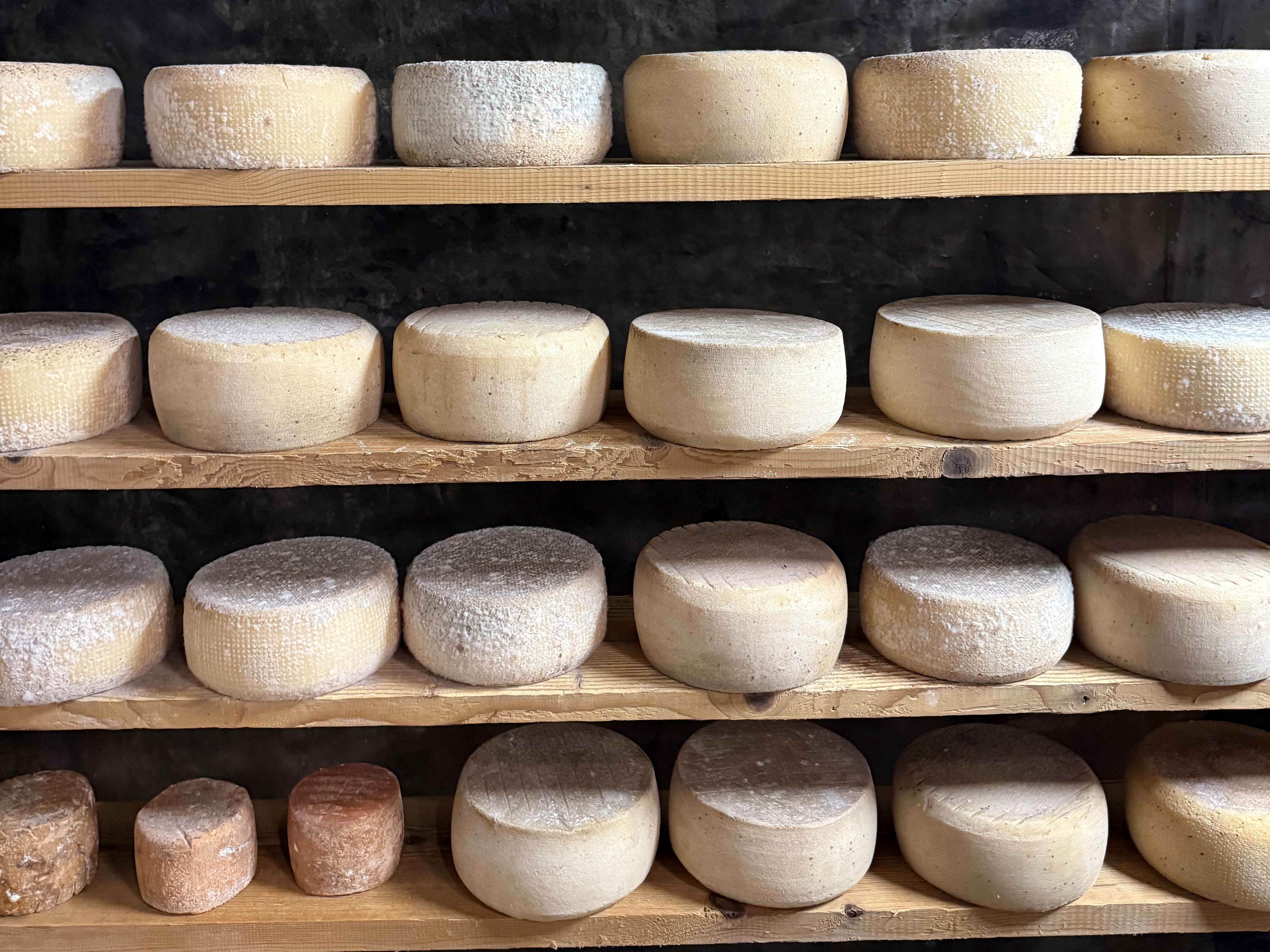
As a small business, Sophie has faced some real challenges in recent years. Some long-time customers may remember that we used to get exclusively raw milk Ossau Iraty from Pardou, the most popular being ‘Brebis Pardou.’ A couple of years ago, the FDA quarantined hundreds of pounds of their raw milk cheese upon entry to the USA. All the product was destroyed and compensation not awarded to Sophie, resulting in a huge loss to her tiny operation. Very little reasoning was provided to Sophie about why this happened, but the necessary paperwork/registration to prevent this from happening again is impossible for the small dairies she works with who produce the raw cheese. Seeing as Sophie cannot take another financial hit, we now only receive pasteurized Brebis from her (‘Pardou Tourmalet’ and ‘Pardou Brebis Arriou’). However, we are still able to offer a raw milk Ossau-Iraty from them under the name ‘Pardou Ardi Gasna.’
Ferme Ekiola
Next up on our itinerary was meeting with Ferme Ekiola in Gamarthe. Gamarthe is a tiny commune of just 125 people. It’s very, very small. ‘Ekiola’ is the Basque word for a summer mountain hut, which is where their cheese Ekiola Ardi Gasna is made.
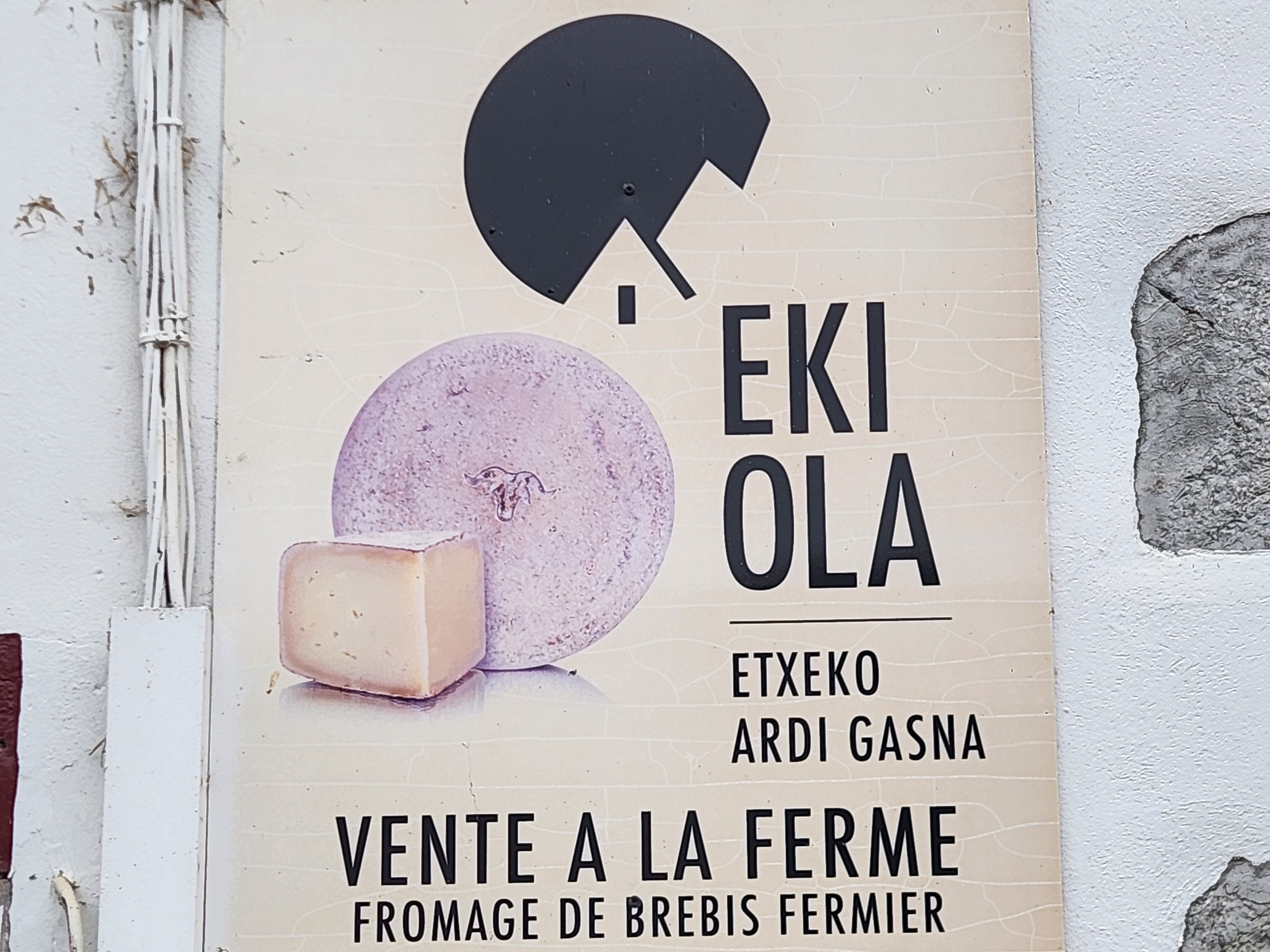
Tucked in between a couple of houses is their barn and former dairy. As we pull up, Désiré Loyatho greets us and hops in a van to go pick up one of his daughters, Leire, who is working in the fields as their shepherd. She hops out of the truck, donning a beret and with a staff in hand, in almost a stereotypical shepherd manner, and scurries off into the barn.
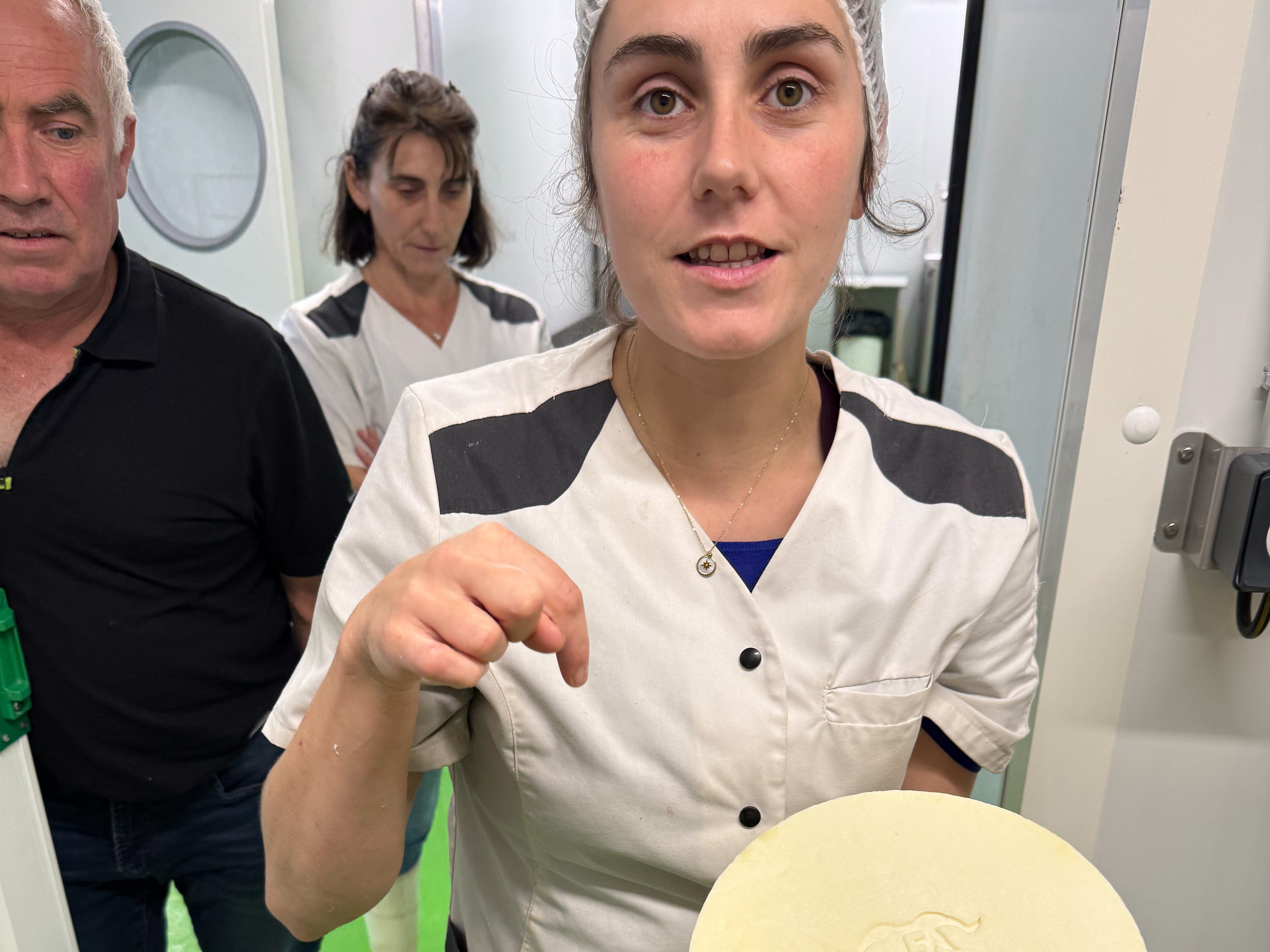
When I first visited, this is where they kept the sheep in the winters. Directly above the barn was the make room and packing facility. They have since built new facilities just about 5 minutes away. We go with Desi to meet his wife Kati and other daughter Pantxika who are in the process of making their sheep’s milk Camembert-style cheese.
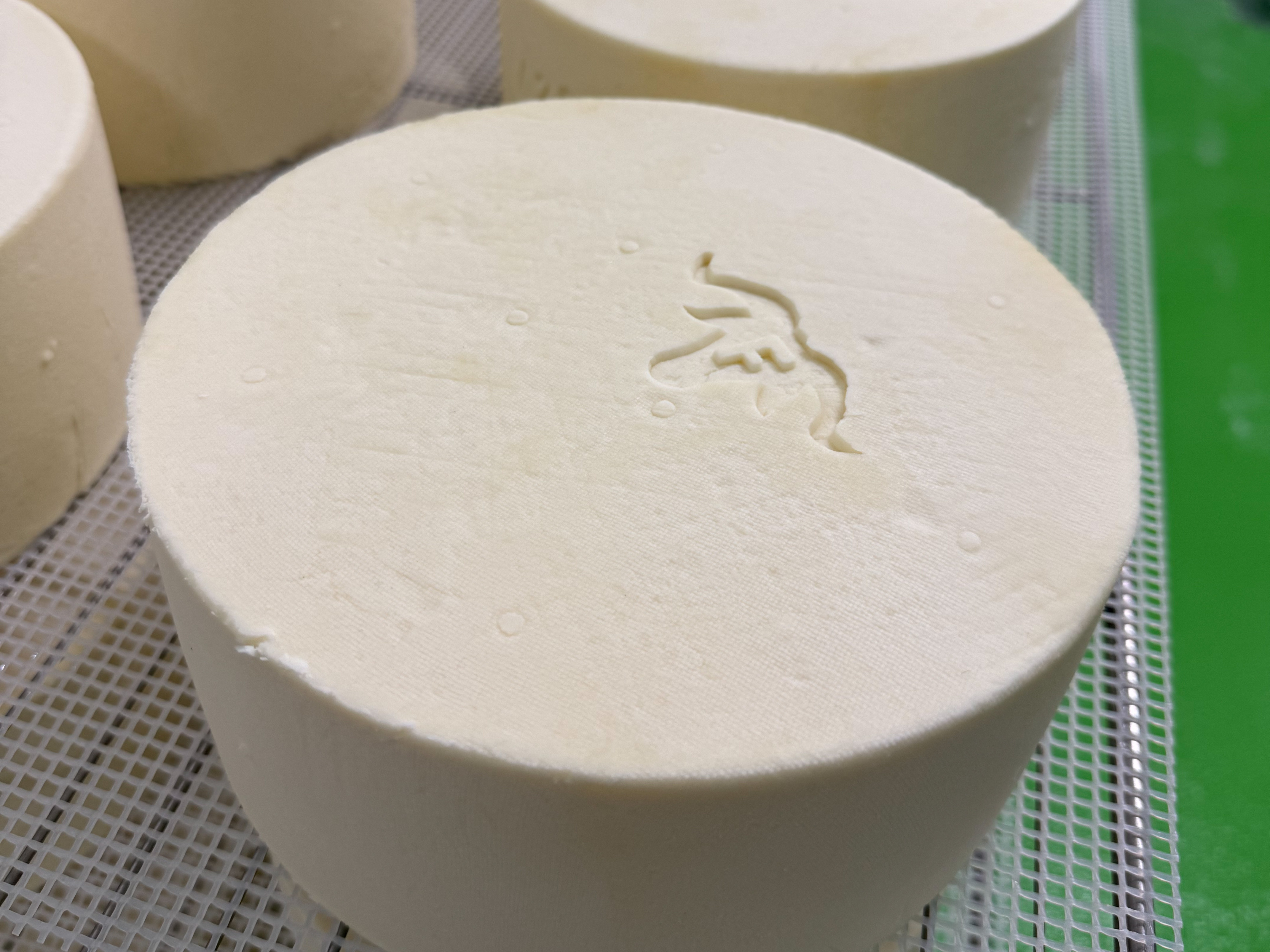
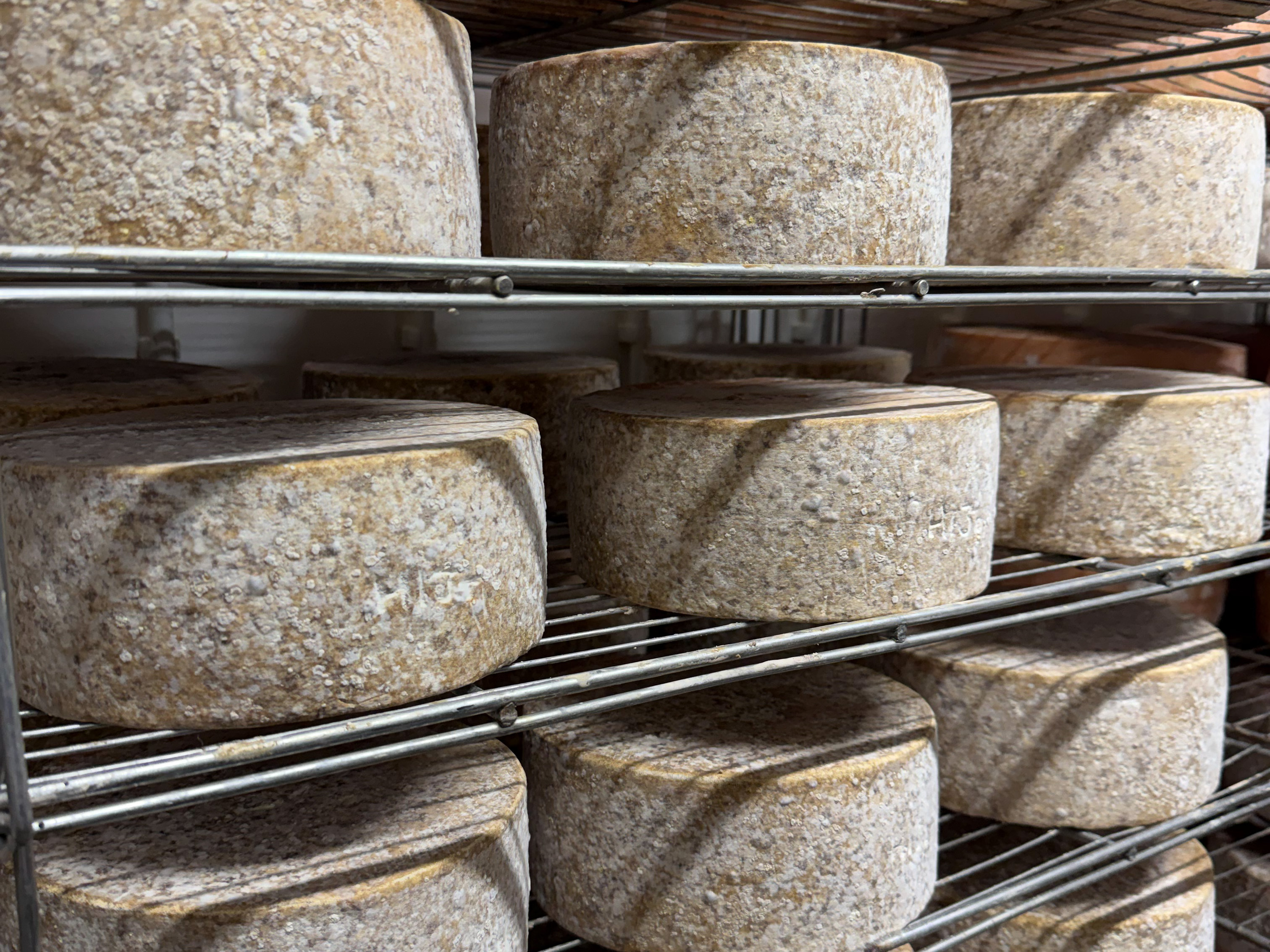
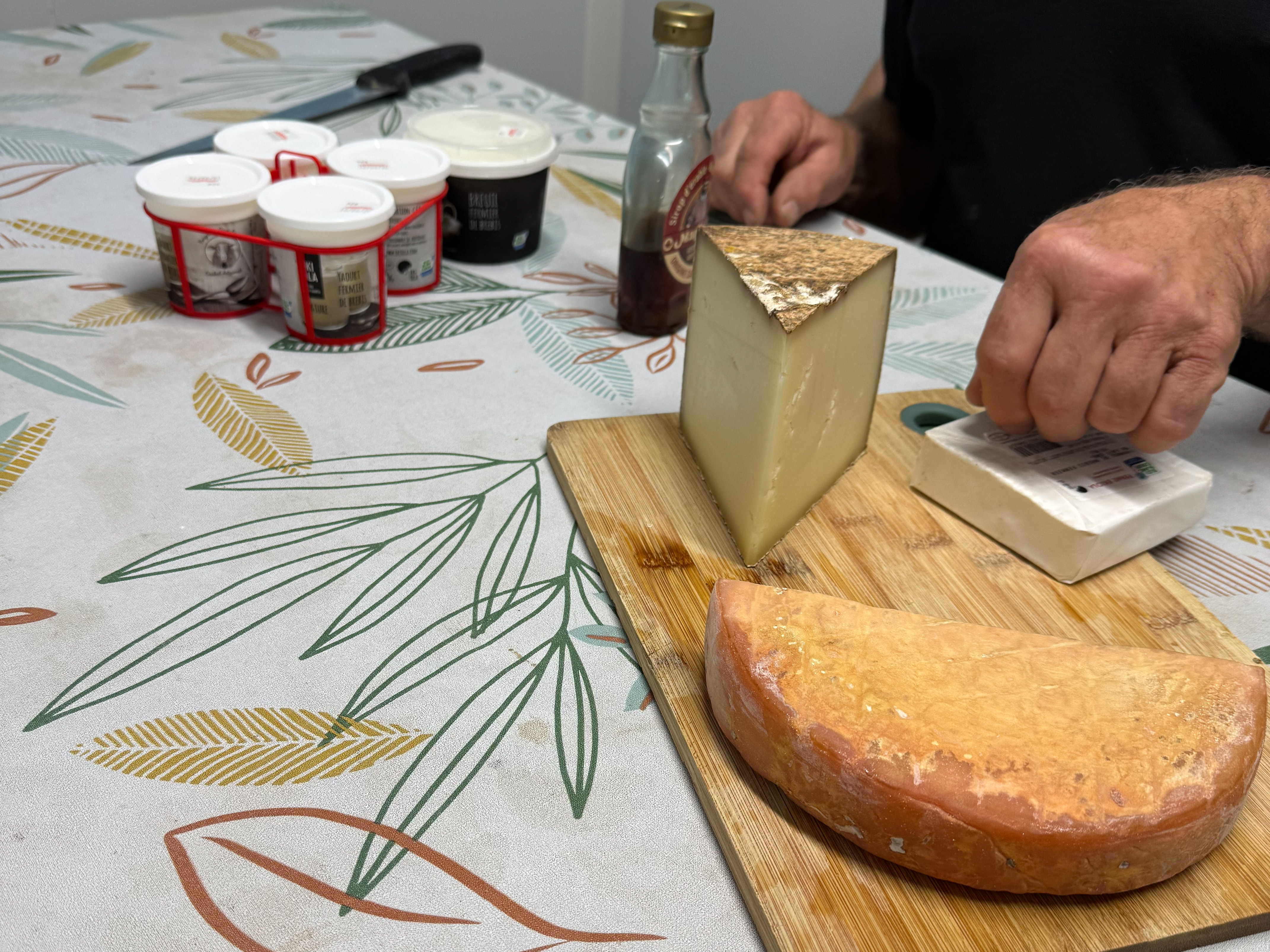
We tour the new facility to see where they are aging their award-winning Ossau-Iraty. Afterwards, we sit down together to taste some cheese they've been working on. Their Saint Nectaire-style sheep’s milk cheese that we tasted was incredible (we just received some as of the posting of this blog post!).
As we're talking, David and I are getting nervous about how to talk to each other. Our French was worse than their English, and they admittedly don’t speak English. Naturally, we ask if they speak Spanish, and thankfully we did, because they do! And we ended up communicating just fine.
After tasting cheese, we head to the fields where they have a flock of 500 sheep (which is a very small flock). During the summertime, they lead 200 sheep up into the high altitudes of the Pyrénées to make summer cheese called ‘Fromage d’Estive’ (which also just arrived at the shop!).
Bergers du Haut-Béarn
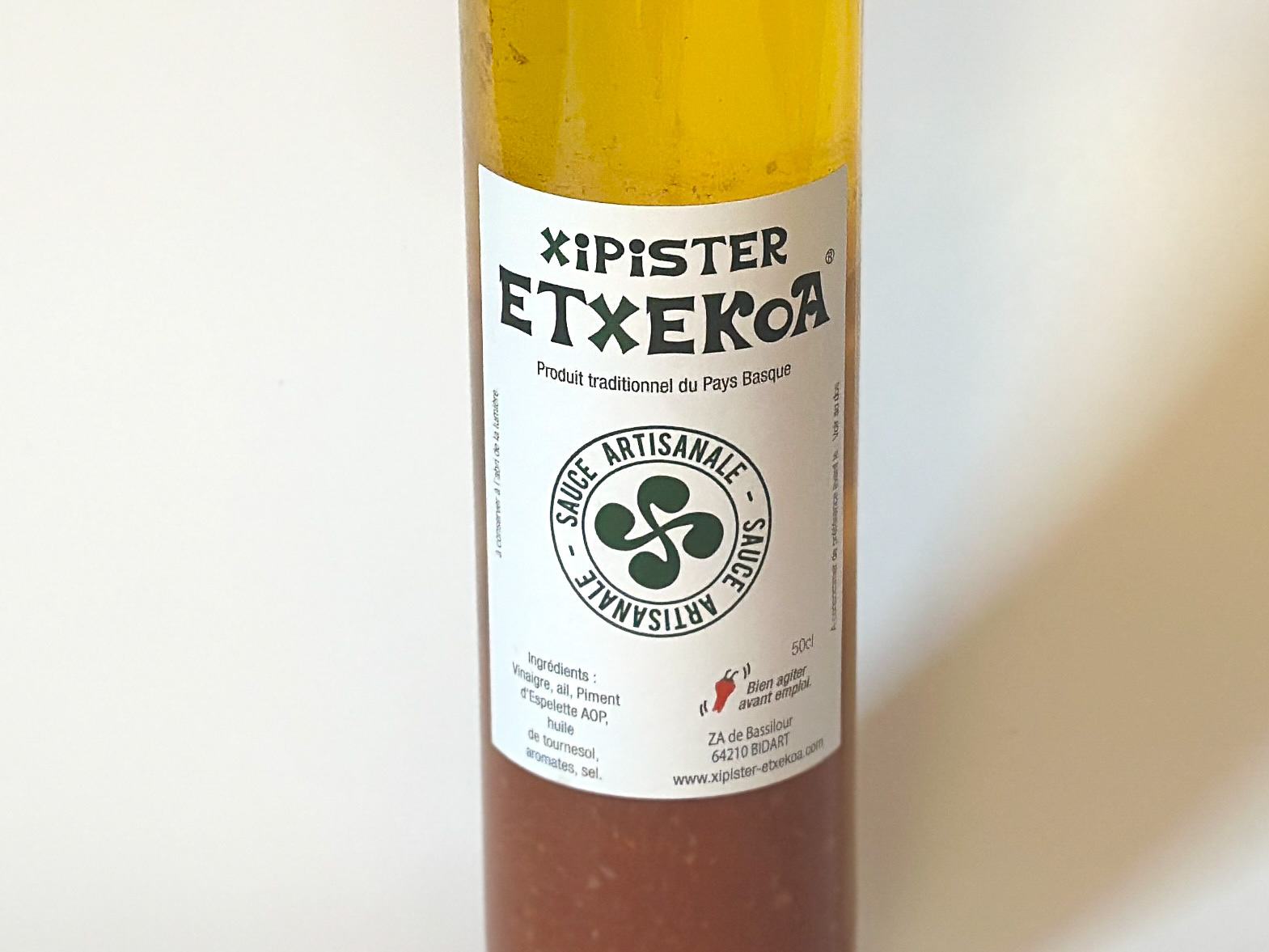
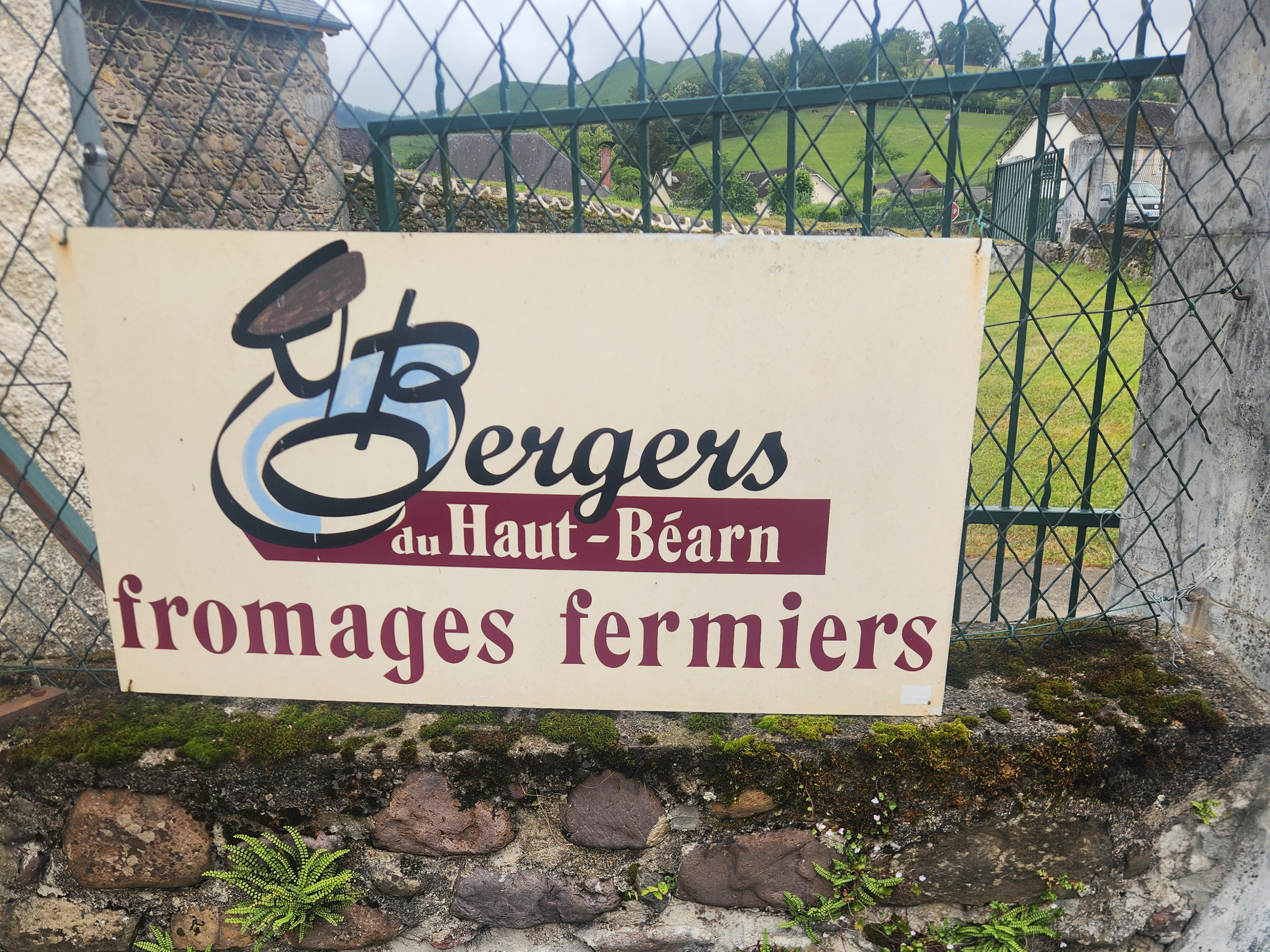
After our visit to Ferme Ekiola, we were hoping to visit Desiree's brother's Jambon Bayonne production, but unfortunately we were running pretty late to our next meeting with our long-time partner Bergers du Haut-Béarn, who is located about an hour away. Bergers du Haut-Béarn is in Lanne-en-Barétous and the caves are directly next to Château de Porthos, where Porthos, one of the fabled three musketeers, lived. Currently Bergers du Haut-Béarn is run by Etienne Du Puy who welcomed us in to show us the very small caves where they age their cheese. As an affineur, Etienne does not make cheese, only ages it. He buys cheese from local shepherds and ages the wheels to his liking. This is where we get our popular sheep’s milk cheese Brebis du Haut-Béarn, and aged goat’s milk cheese, Chèvre du Haut-Béarn from. Their close friendship with the Loyathos from Ekiola is what allows us to import Ekiola, as well. On this trip we also worked with Etienne to bring in a traditional Basque sauce that’s unique to every household: Xipister Etxekoa.