
Recently, our Cheese Buyer and Imports Manager, David Robinson (pictured on the left), and Head Cheese Buyer, Marc Hernandez (pictured on the right), took a trip to Spain. During their time there, they had the pleasure of visiting Spanish cheesemaker Kamiku.
After 6 days of tasting (amazing) cheese and driving through (beautiful) mountains, Marc and I were a bit tired and overwhelmed. But we had one final stop on our journey: Kamiku. Kamiku is a family-owned quesería located in the tiny village of Legasa in Navarra, Spain. Legasa is a stunning village of about 200 people, made of limestone buildings, each perfect and unique. Once again, the hospitality, warmth, and quality of cheese we tasted far exceeded any expectations.
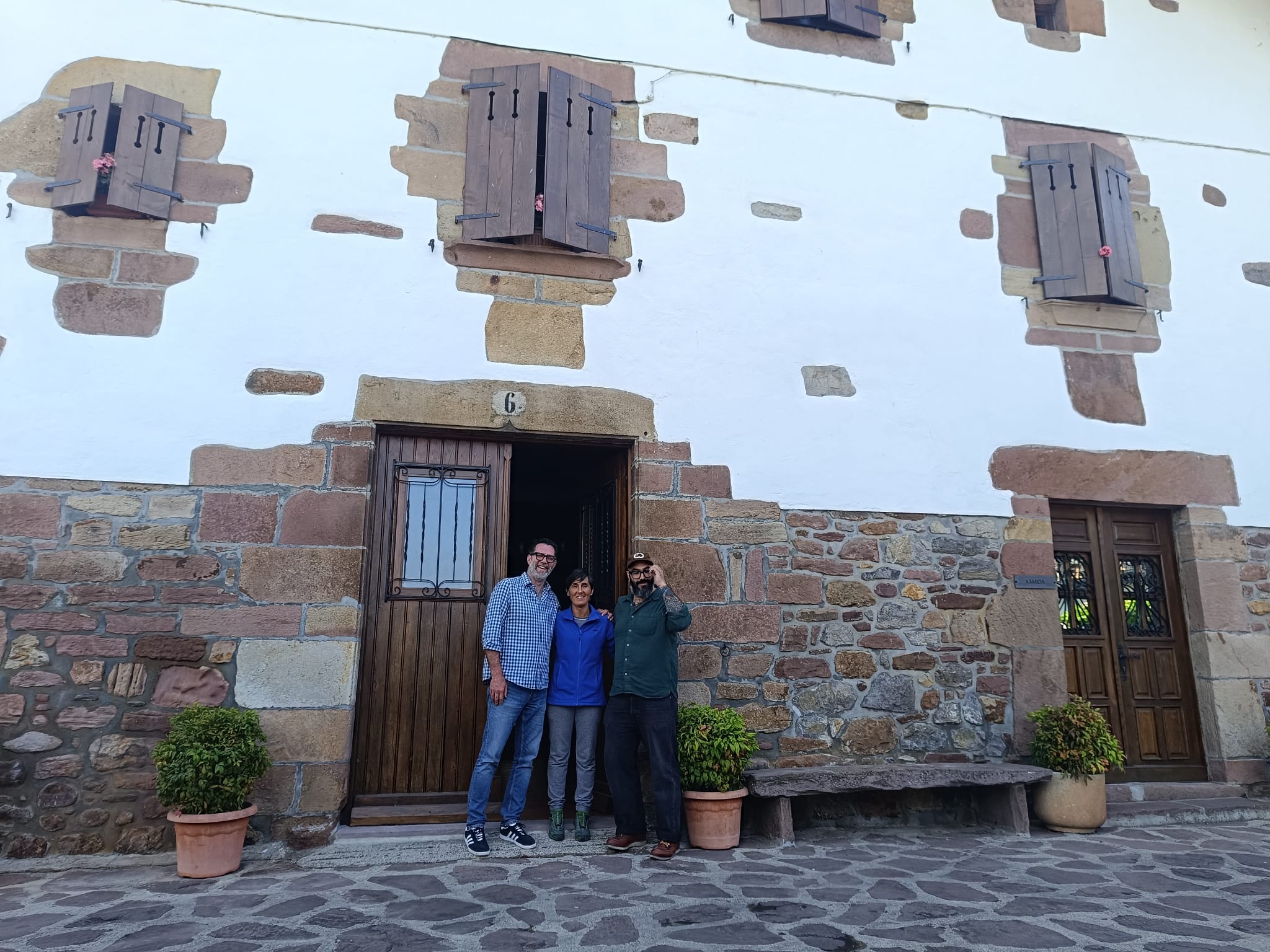
Pictured above: The family home
Officially known as Ardiarana, Kamiku was founded in 2006 by the husband and wife team Alberto Migueltorena Indart, a veterinarian, and Ainara Ansa, an agronomist engineer. Their idea was to bring a unique vision to traditional cheesemaking in Navarra, an area known for hard aged or smoked sheep milk cheeses such as Idiazabal. Prior to opening Kamiku, Alberto studied cheesemaking with both Manchego producers and Basque cheesemakers in France. In essence, his vision was to combine the recipes of these two traditional cheeses and create a new, unique product. Named Curado (meaning cured or aged), this cheese has a natural rind (more similar to Basque ardi gasna), a firm but creamy texture, and some of the funky sheepy flavor commonly found in Manchego. He also chose to use Lacaune sheep, a breed more commonly associated with the French cheese Roquefort, as opposed to the local Latxa breed. The Lacaune sheep produce milk that is higher in fat than most other sheep, making their cheese ever so rich.
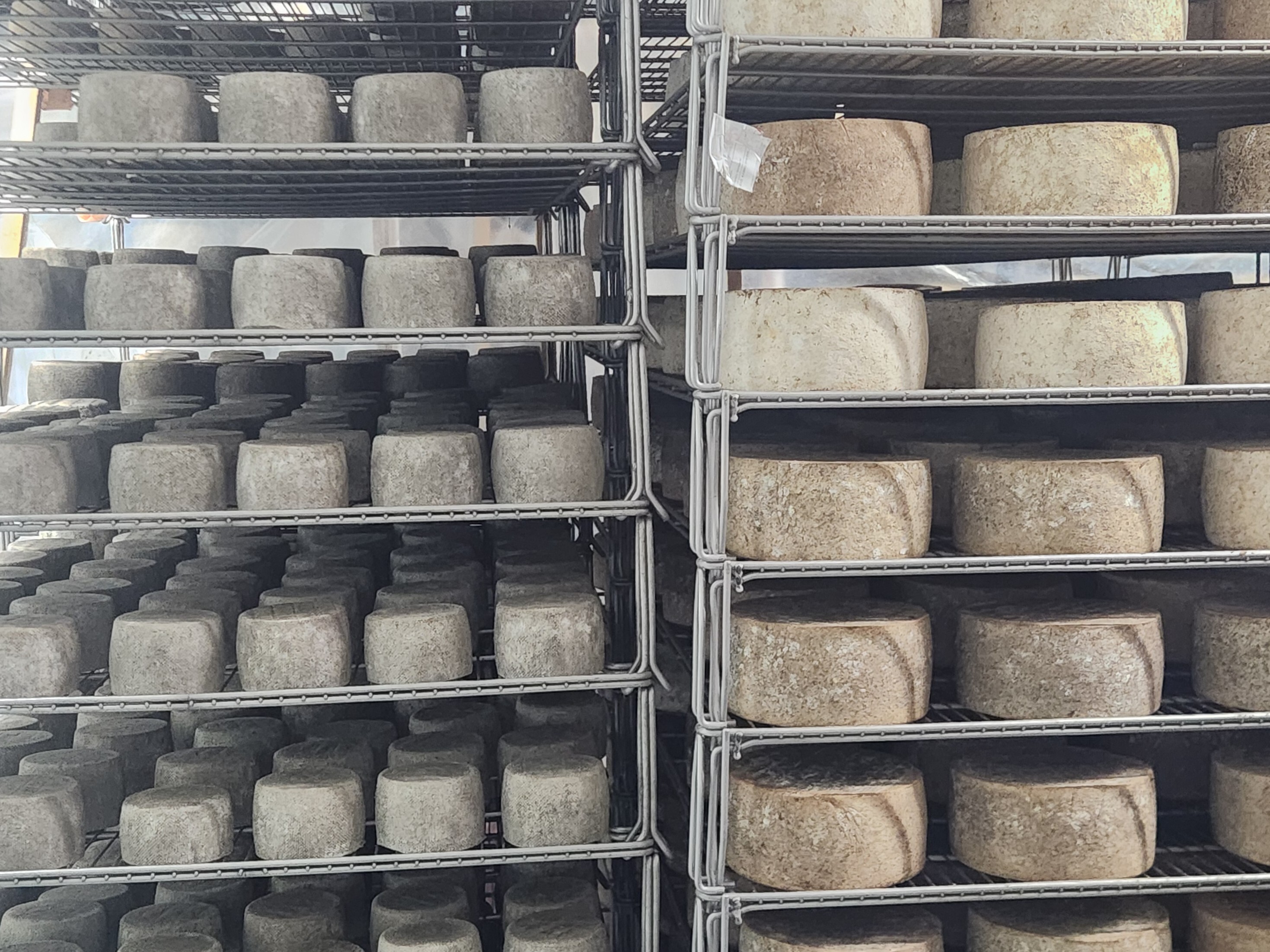
When we arrived, Marta Garcia, the export manager, and Ainara, led us on a tour of their cheese-making areas and caves. They produce four different cheeses: Curado (the original), Ahumado (smoked), Camembertiz (a camembert style), and Queso Tierno (similar to queso fresco). They produce cheese every day using milk from their herd of 50,000 sheep—compared to 500 for our friends at Ekiola (a small Basque cheesemaker we work with over the border in France)—and age their cheese on sight. Kamiku has cultivated native flora in their cheesemaking, particularly a local strain of the bacteria Bifidus, which helps in digestion of the cheese and creates its distinct flavor (basically its own terroir!). While they are a bit bigger than some of our other producers, they are committed to the tradition of cheesemaking as well as the community. Many of the locals work for Kamiku. Lagasa has had a small resurgence since Kamiku opened.
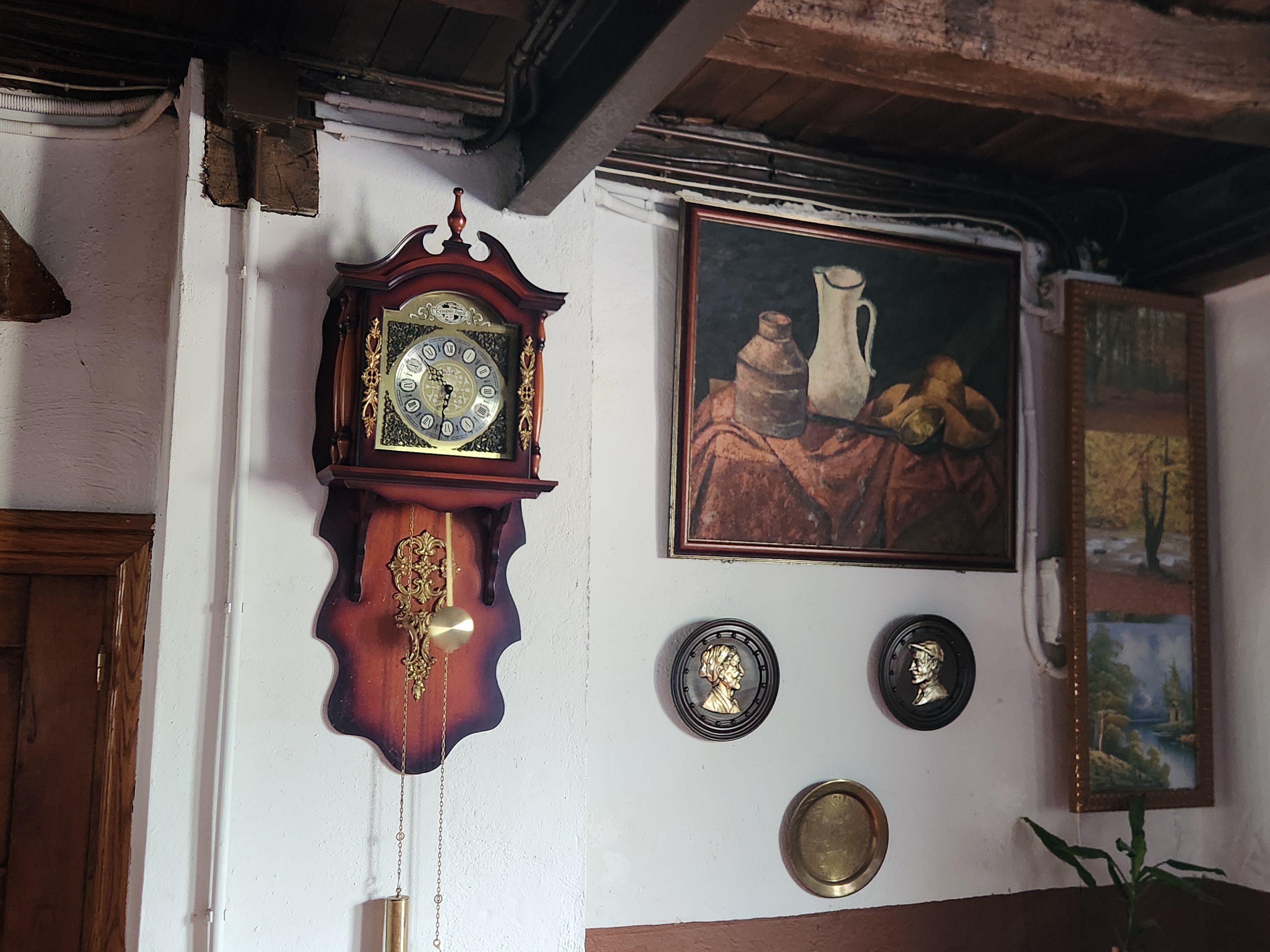
Pictured above: Inside the family home
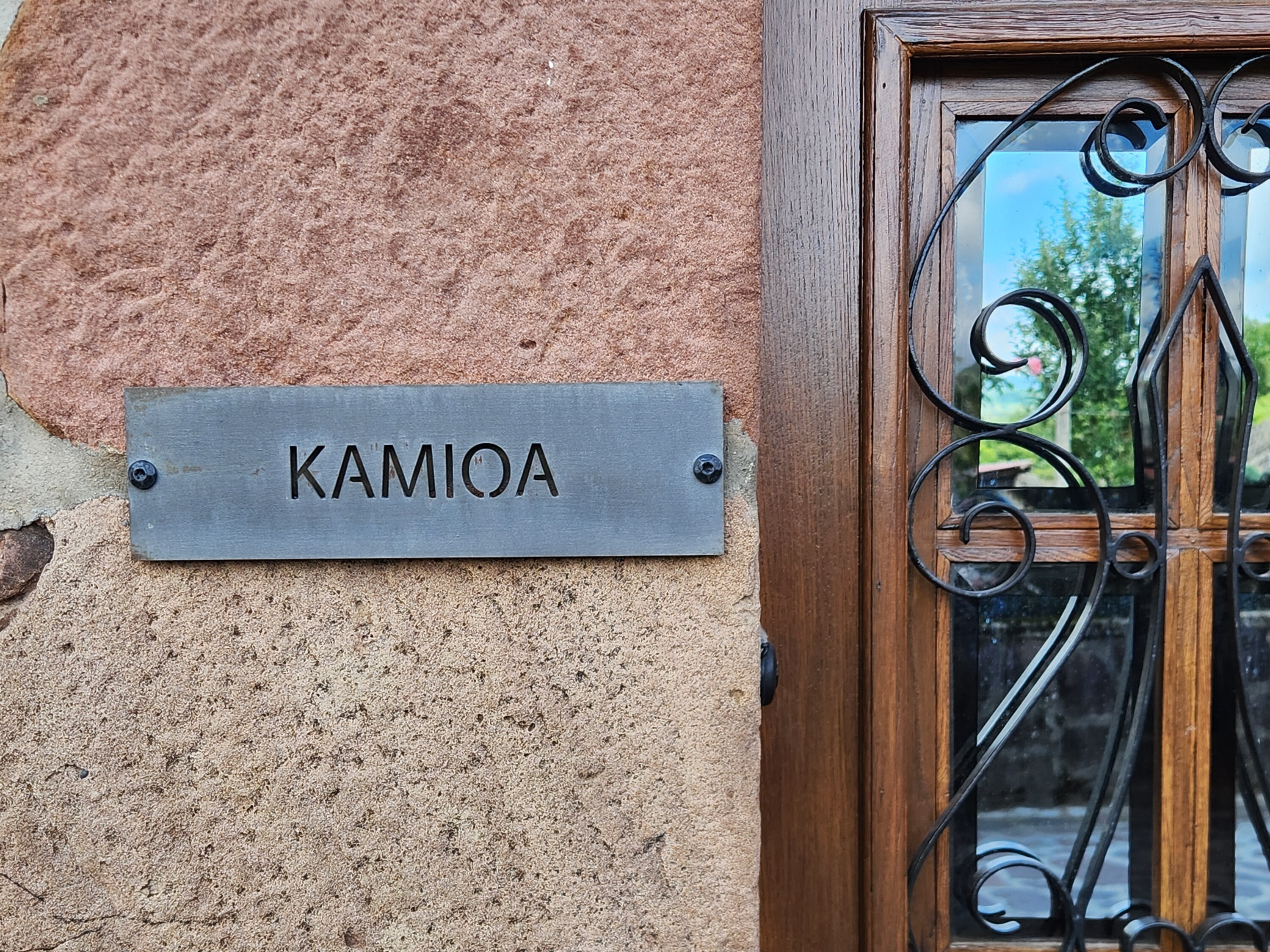
Alberto and Ainara had never worked in cheese or farming prior to Kamiku, but have become so passionate about not only cheese, but the impact Kamiku has. From employing the locals to exporting their unique vision to the world outside of Navarra. After our tour, we walked to the family home, known as Kamioa, and tasted all of their cheeses. It is a local Basque tradition to name the homes. Kamiku is translated as “the people who live in Kamioa.” Kamiku are keen on education. They work with local schools to educate children and have consistently opened their homes to travelers interested in cheese, like Marc and I.
Our visit was an interesting one for so many reasons. But what stood out the most was the commitment to quality that Kamiku has. They believe in what they do and want to share it with the world around them, yet maintain their roots. Albert grew up in Kamioa, located about 500 ft from the quesería, and continues to live there. I was, honestly, a bit afraid that the size of Kamiku would make this visit feel polished or commercialized—I could not have been more wrong. The warmth shown to us was familial. Kamiku is a unique and wonderful quesería and we are excited to continue working with them for years to come.
Click here to shop Kamiku cheese.
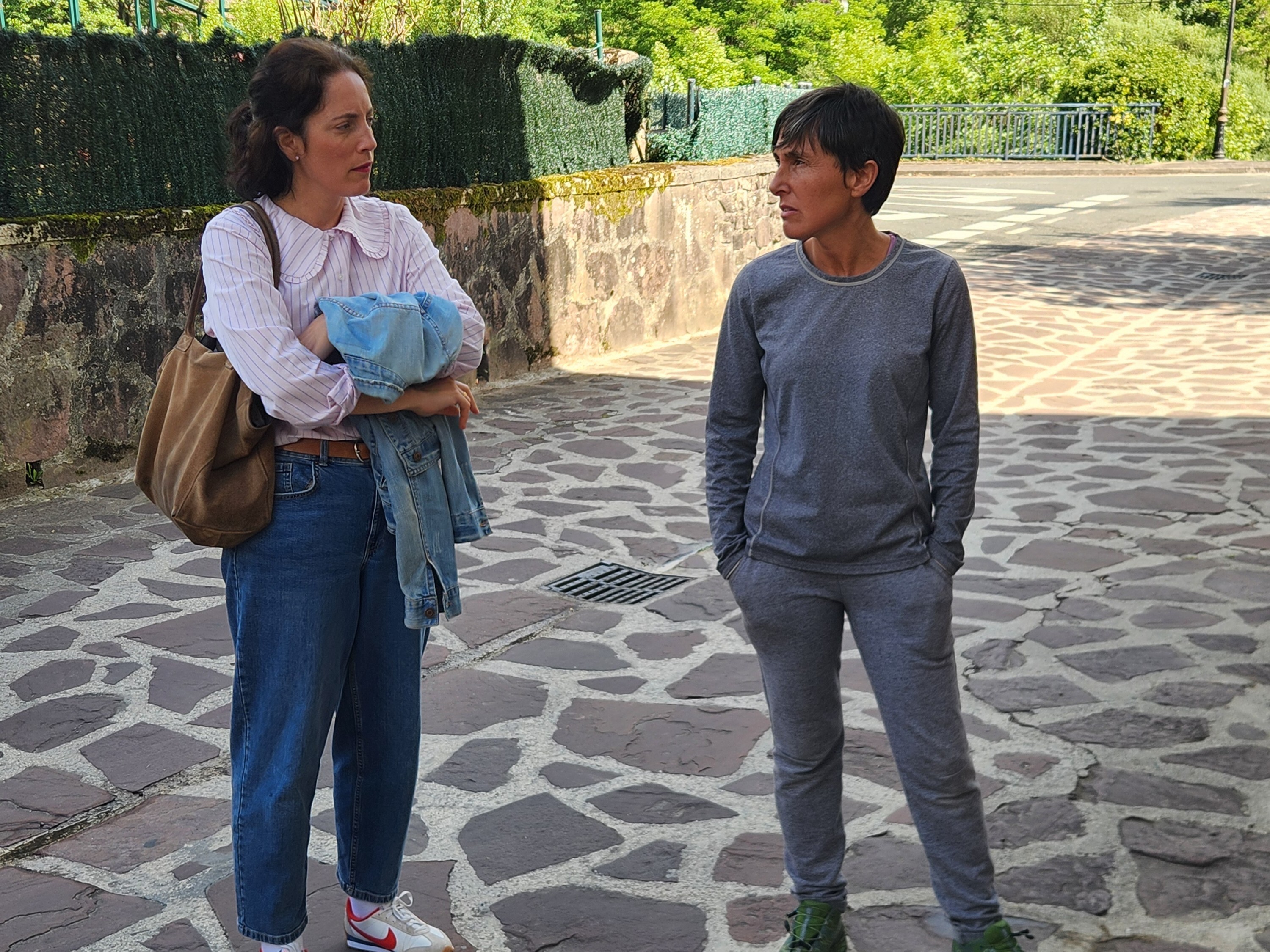 Pictured above: Marta y Ainara