
By: Julia Hallman, Owner of Formaggio Kitchen
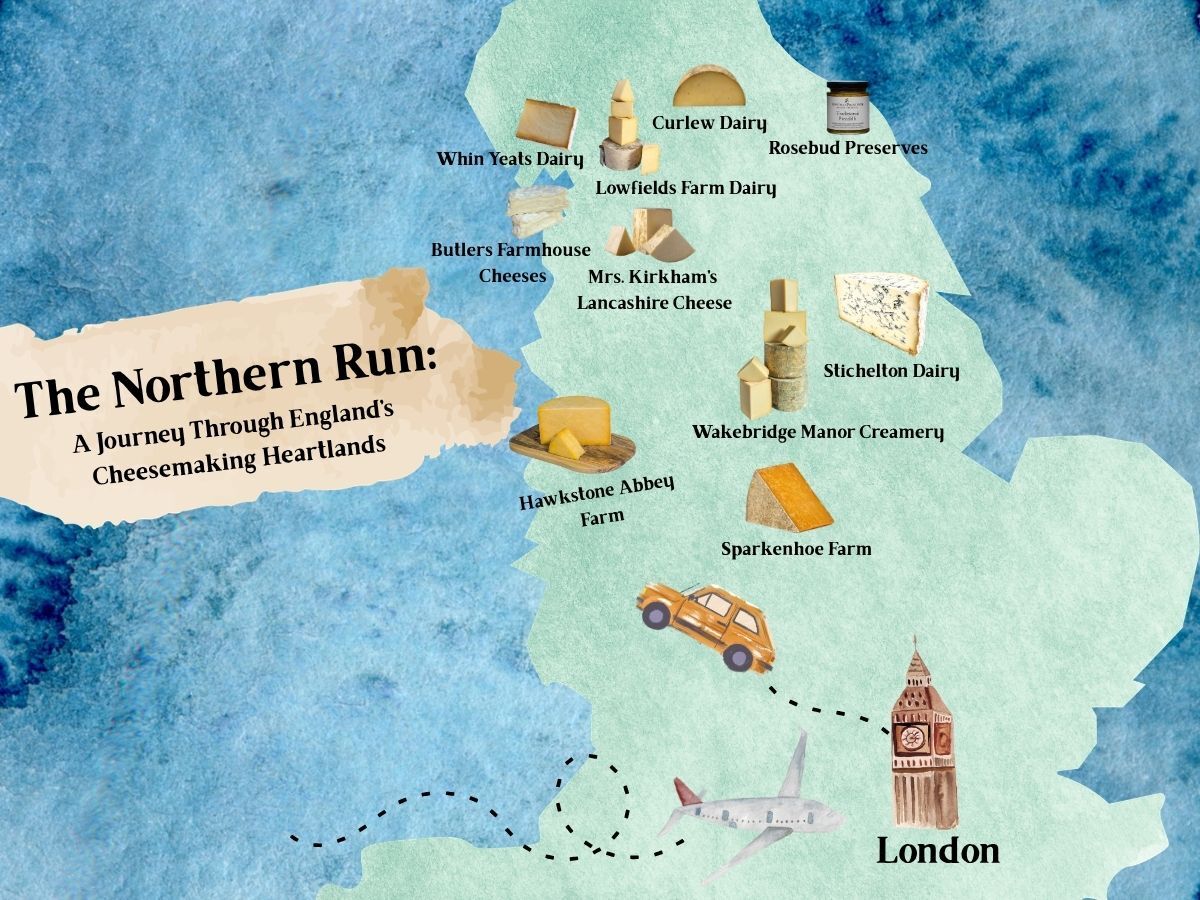
At 4:30am, in the dark, quiet morning streets of London—long before the city awoke—I found myself heading north with David Lockwood of Neal's Yard Dairy. This was the start of the famed “Northern Run,” a whirlwind pilgrimage through England’s dairies, where cheeses are not just tasted, but understood—each wheel shaped by the seasons, stories, and hands of their individual makers. This routine trip is an important way for Neal’s Yard Dairy to maintain their intimate relationships with cheesemakers and select the wheels that will be aged in their maturation arches over the next several months (or, in some cases, years).
For years, I had heard tales about this journey. Now, I was finally experiencing it.
Appleby’s of Cheshire
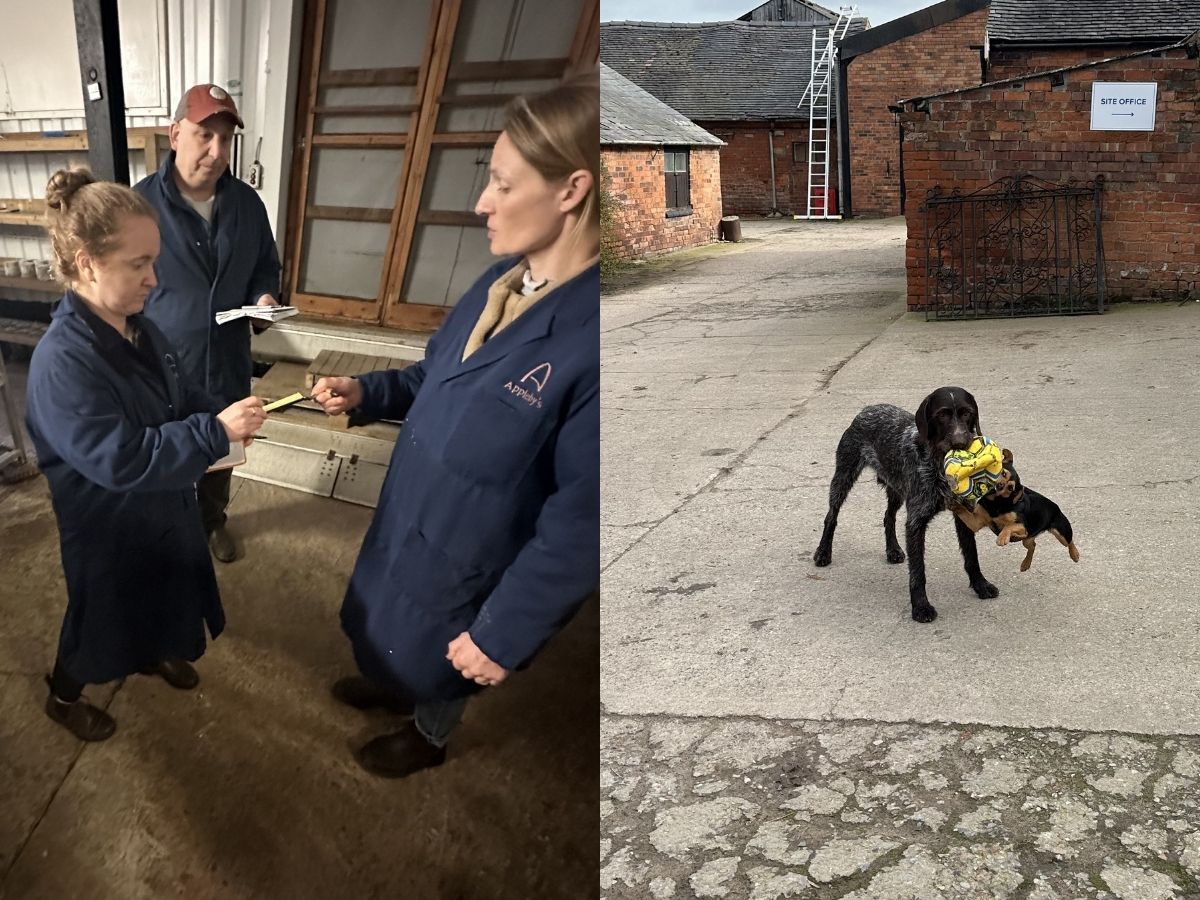
After a three and a half hour drive north, we arrived at our first stop: Hawkstone Abbey Farm, maker of the vibrant orange cheese, Appleby’s Cheshire. I immediately saw how special this place is: It feels less like a business and more like a living, breathing home. We were exuberantly greeted by the dogs—Cub, Pip, and Toast—bounding through the yard, followed by Appleby’s owners, Sarah and her family.
Breakfast came first: Warm bread, butter, cheese, bacon from their own pigs and tea accompanied by raw milk from their herd. It set the tone for everything that followed—deeply rooted, generous, and real.
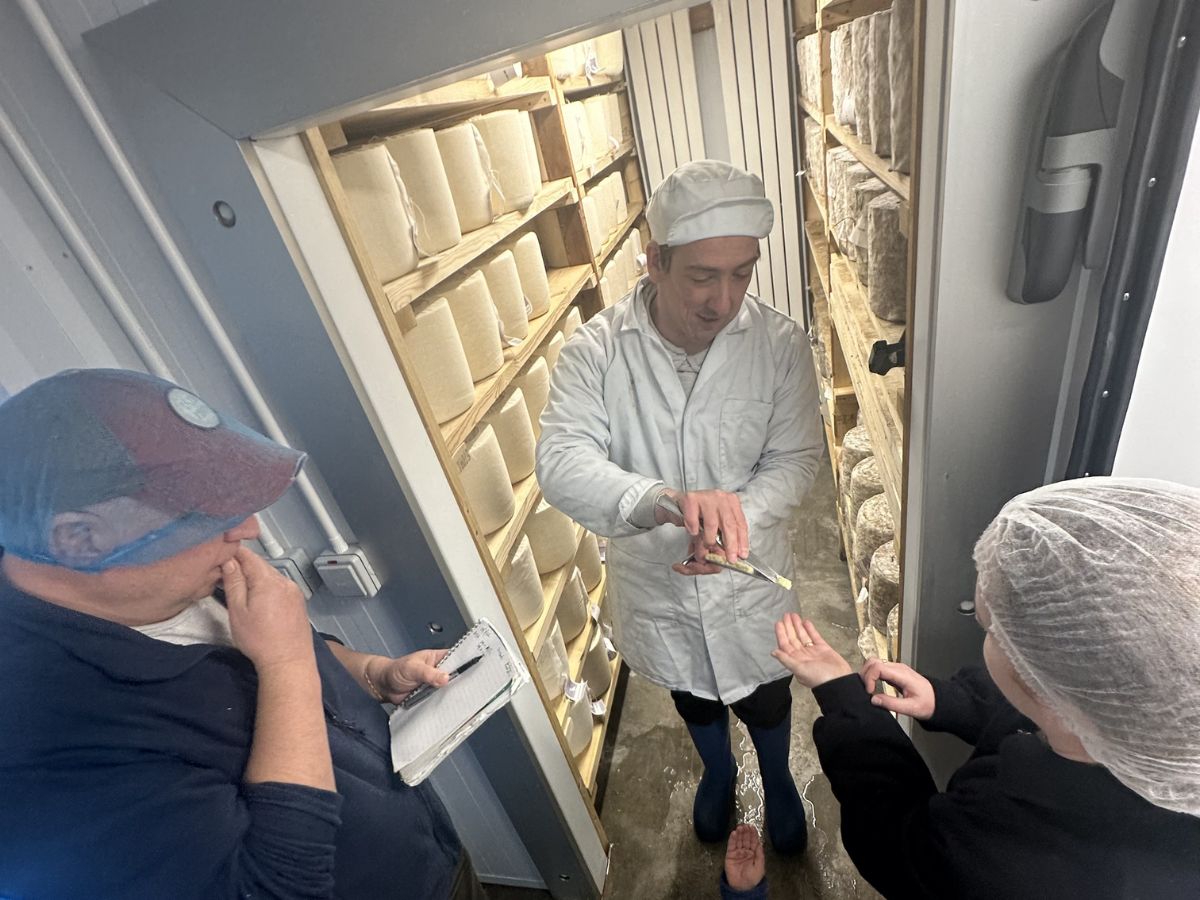
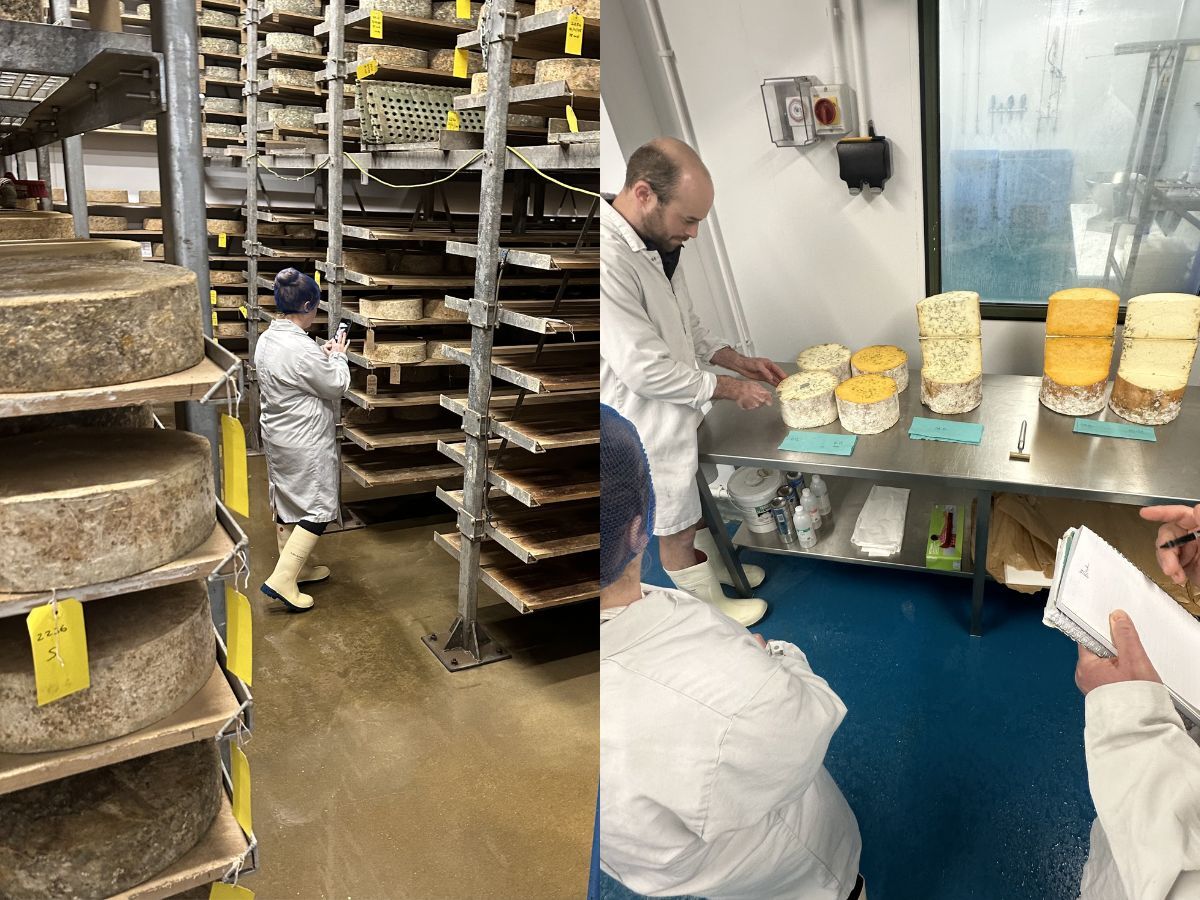
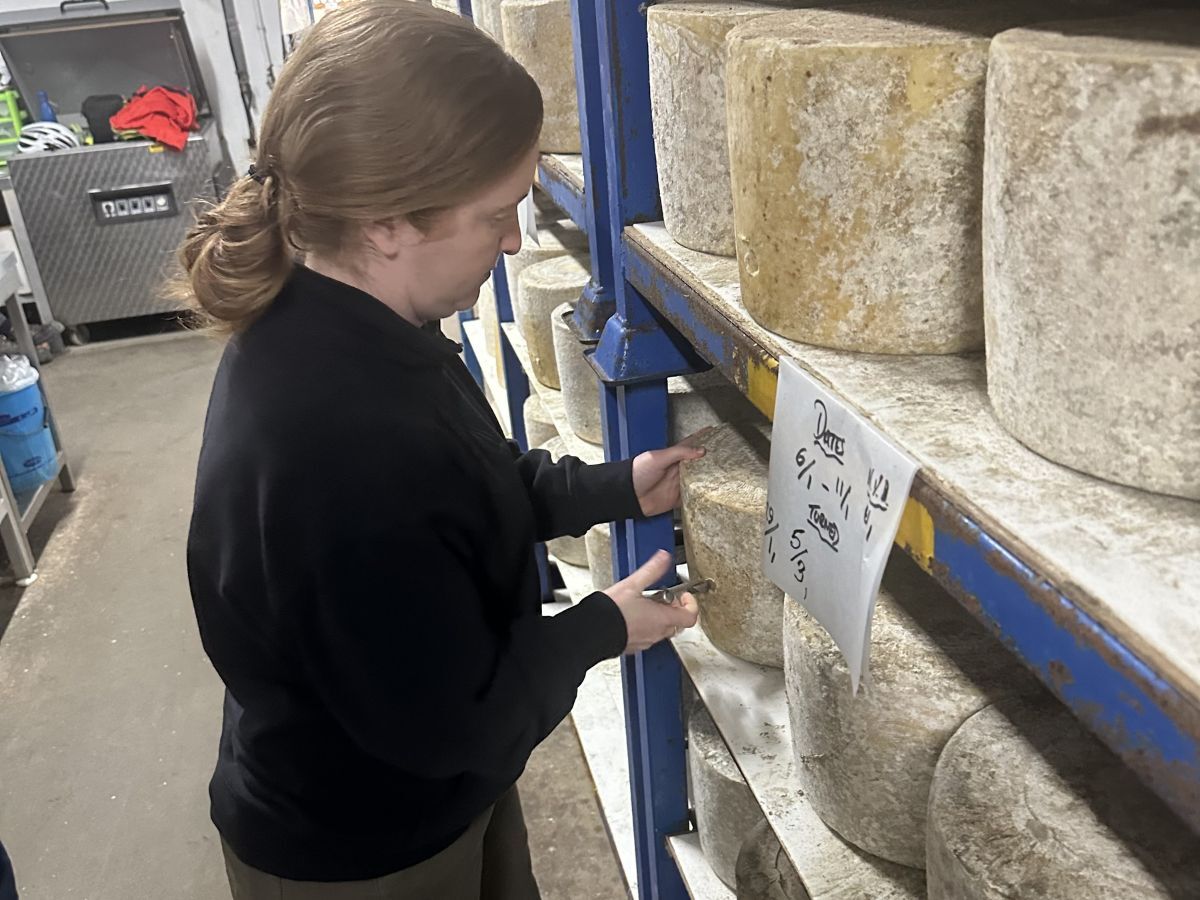
In the aging rooms, I watched David at work for the first time. His tasting wasn’t just about flavor, it was a conversation. Why was this batch more crumbly? What had changed? Weather, Sarah concluded. Subtle shifts, like a colder make room and colder maturation, had profound effects.
We selected a batch of Appleby’s Cheshire from January—bright, balanced, and alive. It was my first glimpse into how much listening goes into tasting.
Wakebridge Manor Creamery and Stichelton Dairy
As we moved north, the contrast between dairies unfolded like chapters in a storybook.
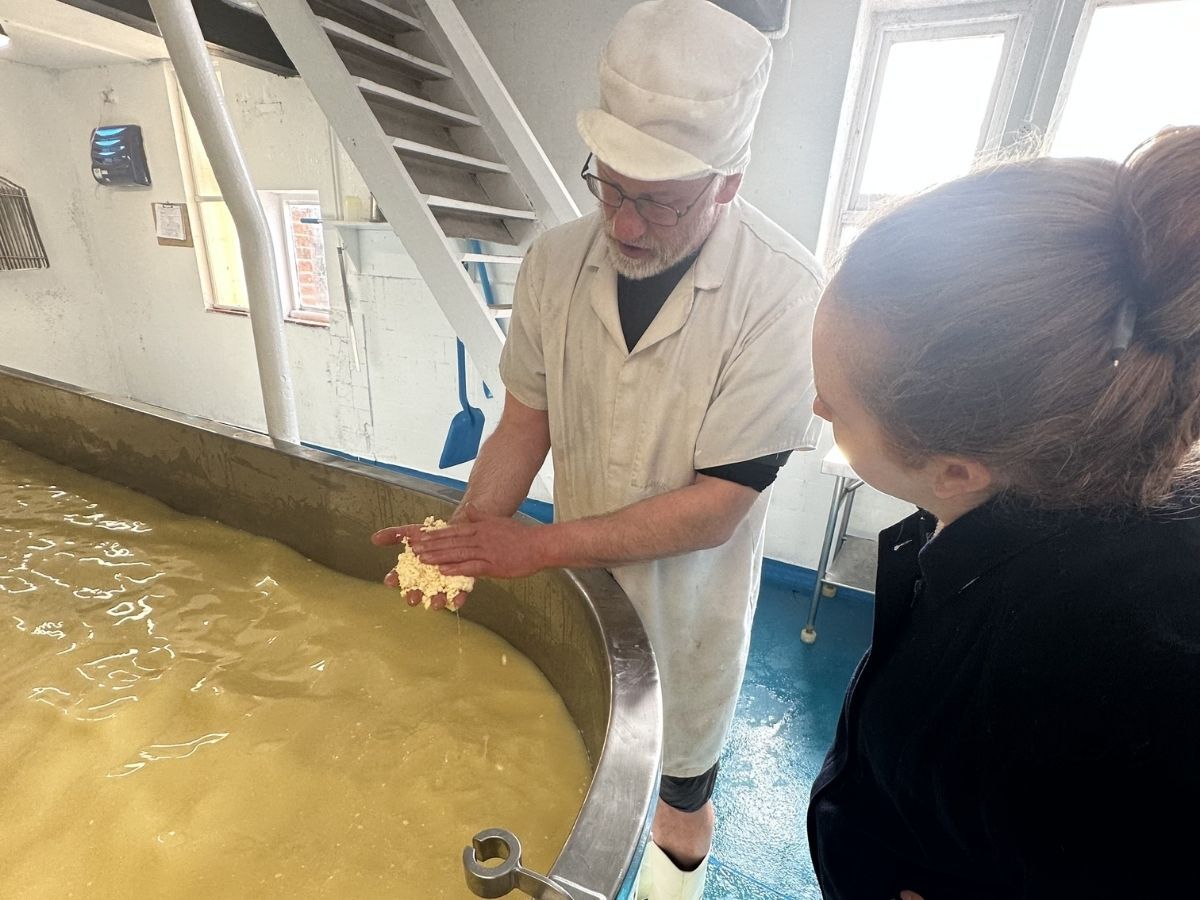
At Wakebridge, a newer operation, I saw mentorship in action. David wasn’t just selecting—he was guiding, offering insight into what Neal's Yard Dairy seeks, helping shape a cheesemaker’s future without imposing on their craft.
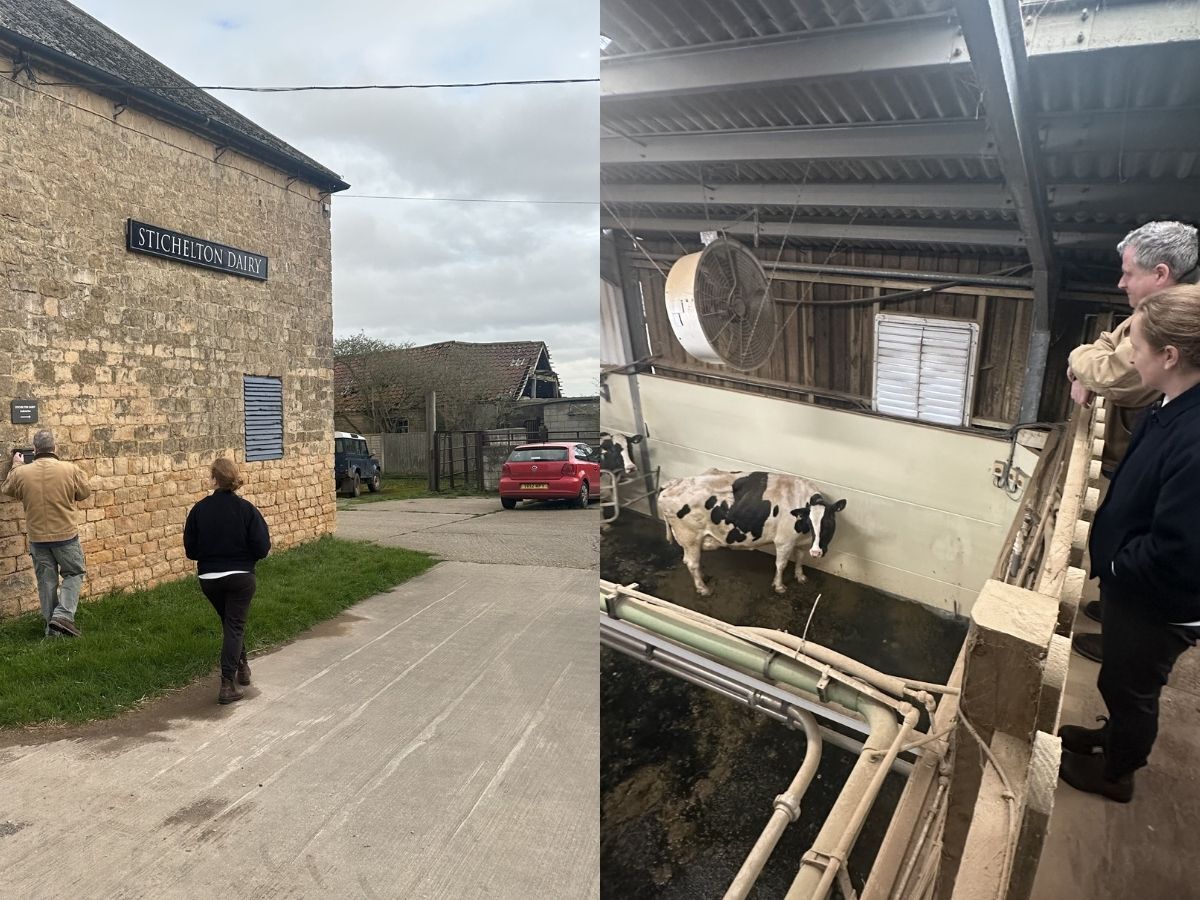
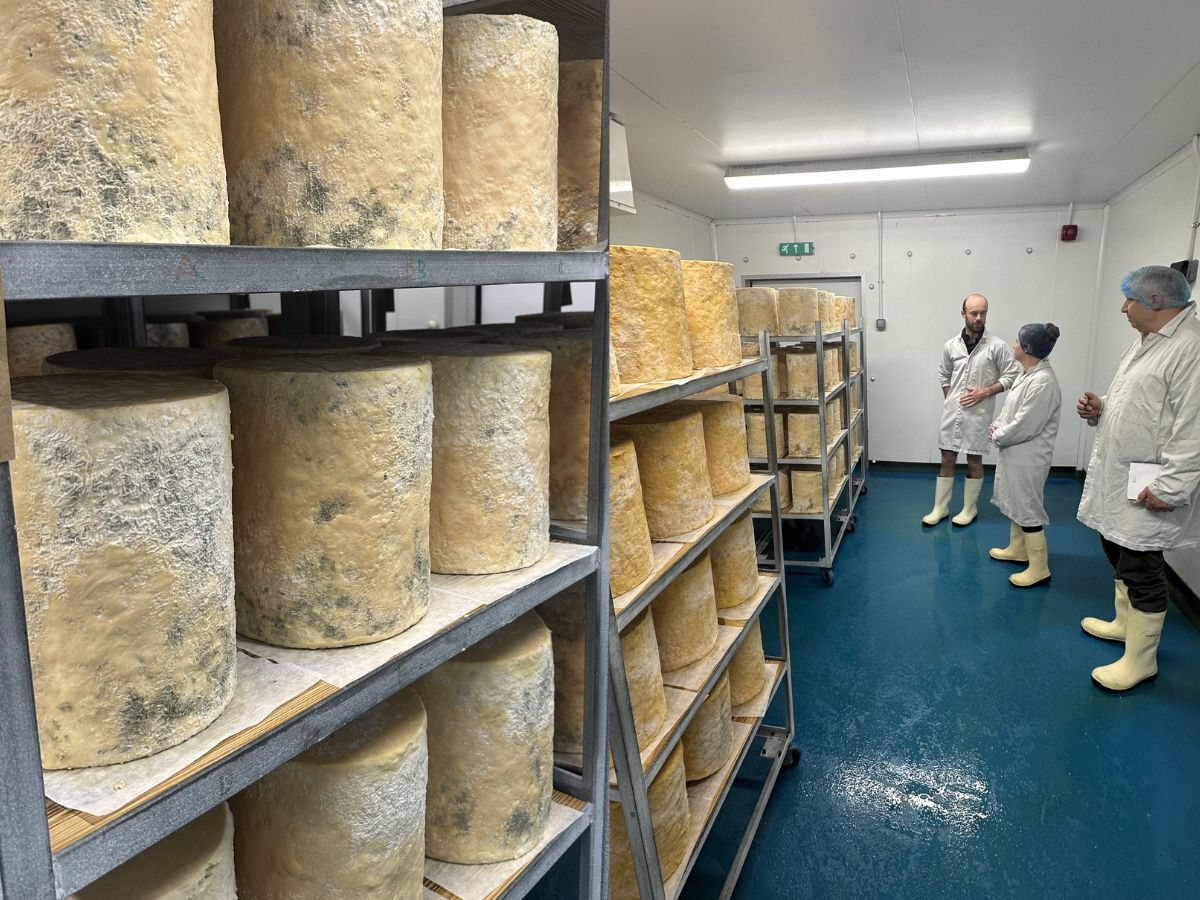
After departing Wakebridge, we came upon a very familiar name: Stichelton. On the storied Welbeck Estate, we met with Joe Schneider, maker of the raw milk blue, Stichelton, that defies convention. Walking with Joe along the grounds of the 12th century estate, the balance of tradition and innovation were in harmony, and this seemed to be reflected in his cheesemaking style. His cheese—rich, complex, and quietly rebellious—revealed something essential: Consistency doesn’t mean sameness. As we tasted various batches in the maturing cellar, I noted that each wheel carried variation, but never at the expense of quality.
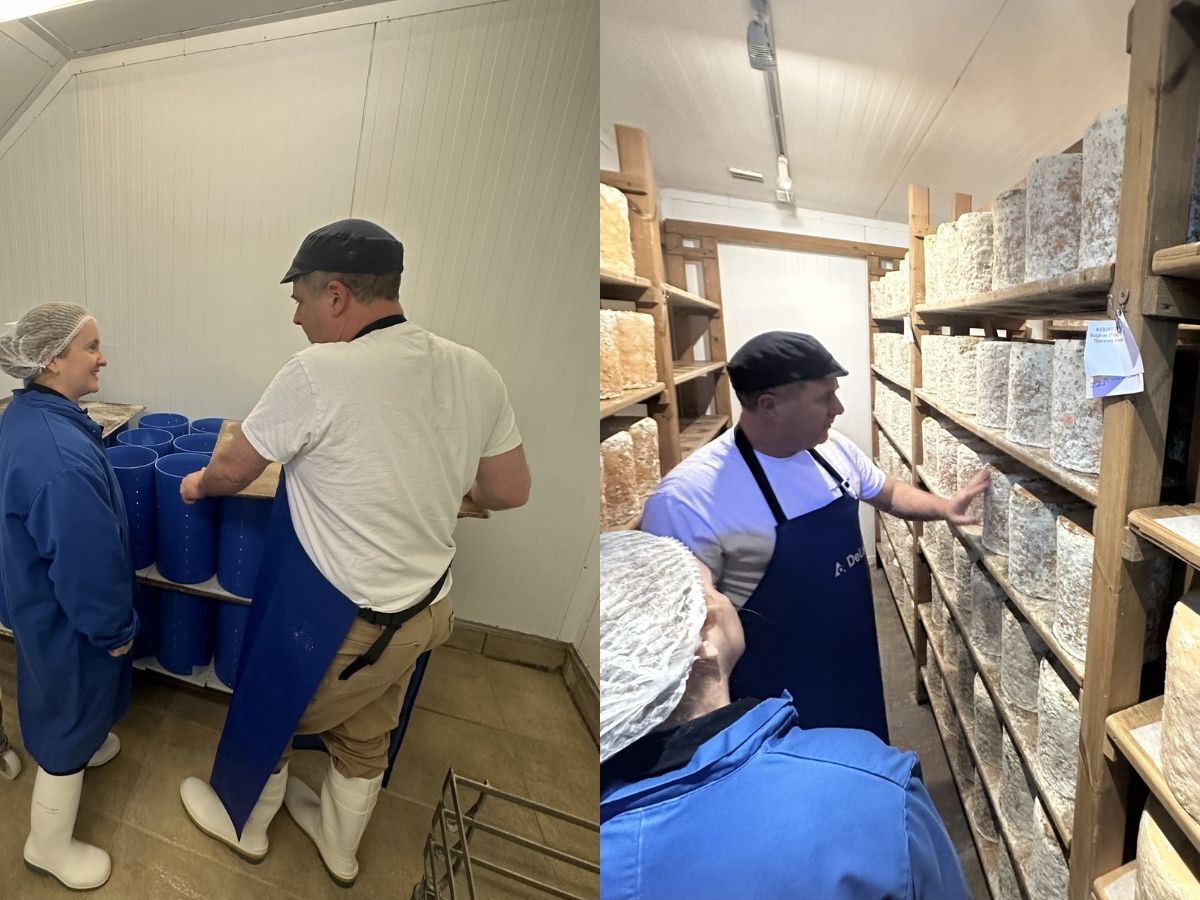
That evening, we joined Joe and his family for dinner: An experience that, while informal, underscored something essential about these visits. Time is a scarce resource for producers, and the act of welcoming us into their homes felt significant. It reinforced the understanding that these relationships extend well beyond transactions.
A Few Stops in Yorkshire
Further along, we encountered artisans both experimental and deeply traditional.
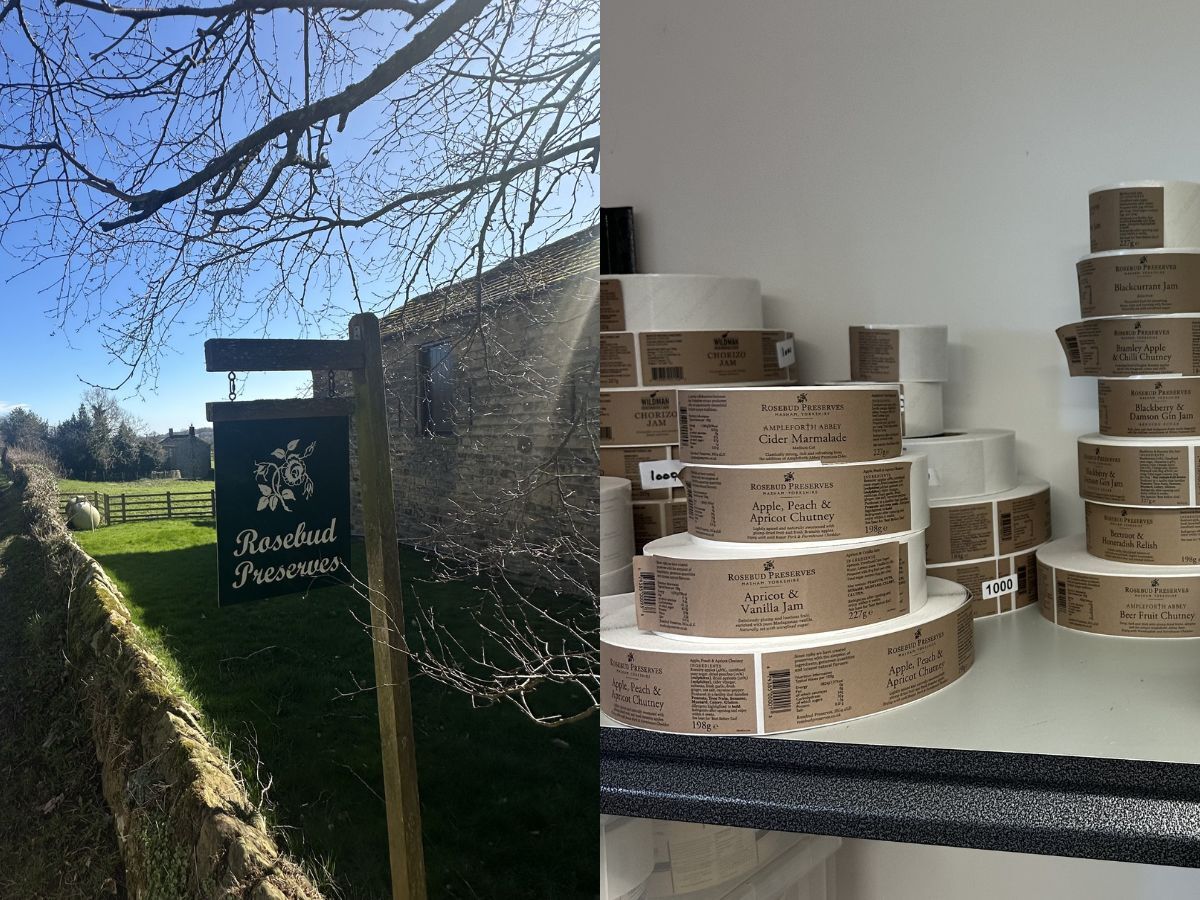
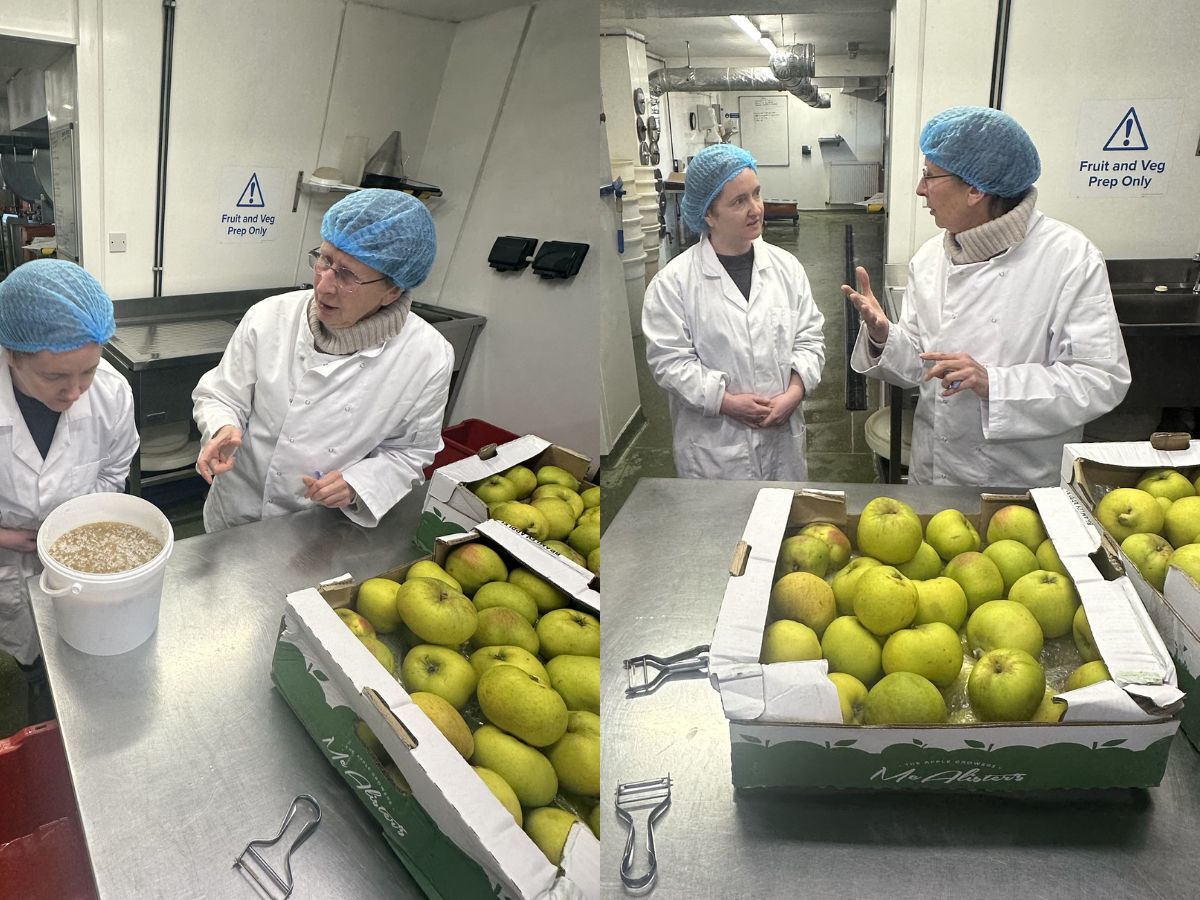
At Rosebud Preserves, I met Elspeth, a strikingly passionate woman in her seventies still hand-picking the elderflowers for her jams. The scale was astonishingly small and the care taken was immeasurable. Sometimes the scale of artisan production is hard to translate—when I witness it like this firsthand, it reinspires me to share these producers’ stories to help ensure that these practices are cherished and preserved.
At Curlew Dairy, after a cup of tea with cheesemakers Sam and Ben, we tasted through various batches of their cheese Yoredale Wensleydale, landing on a batch that struck a perfect balance of brightness and depth, a perfect expression of this traditional territorial cheese. Having just moved to the Bolton Estate, it was inspiring to see this young family (with their young son Toby in tow), growing their operation from what was recently just a tiny make room in their garage.
As the day began winding down and the wind was starting to bite, we arrived at Lowfields Farm Dairy, visiting with Roger and his mom Pen and their 27 cows. As a new cheesemaker, Roger was just learning the ropes. It was here that I witnessed something quite powerful: The beginning. David’s role as mentor came into full focus and it was clear that this trip wasn’t solely about preserving tradition. Equally important was the time David spent to help ensure there would be a cheesemaking future to preserve.
Kirkham’s Lancashire
After a very good night’s sleep, we arrived at Kirkham's Lancashire the next morning, a place that embodies tradition.
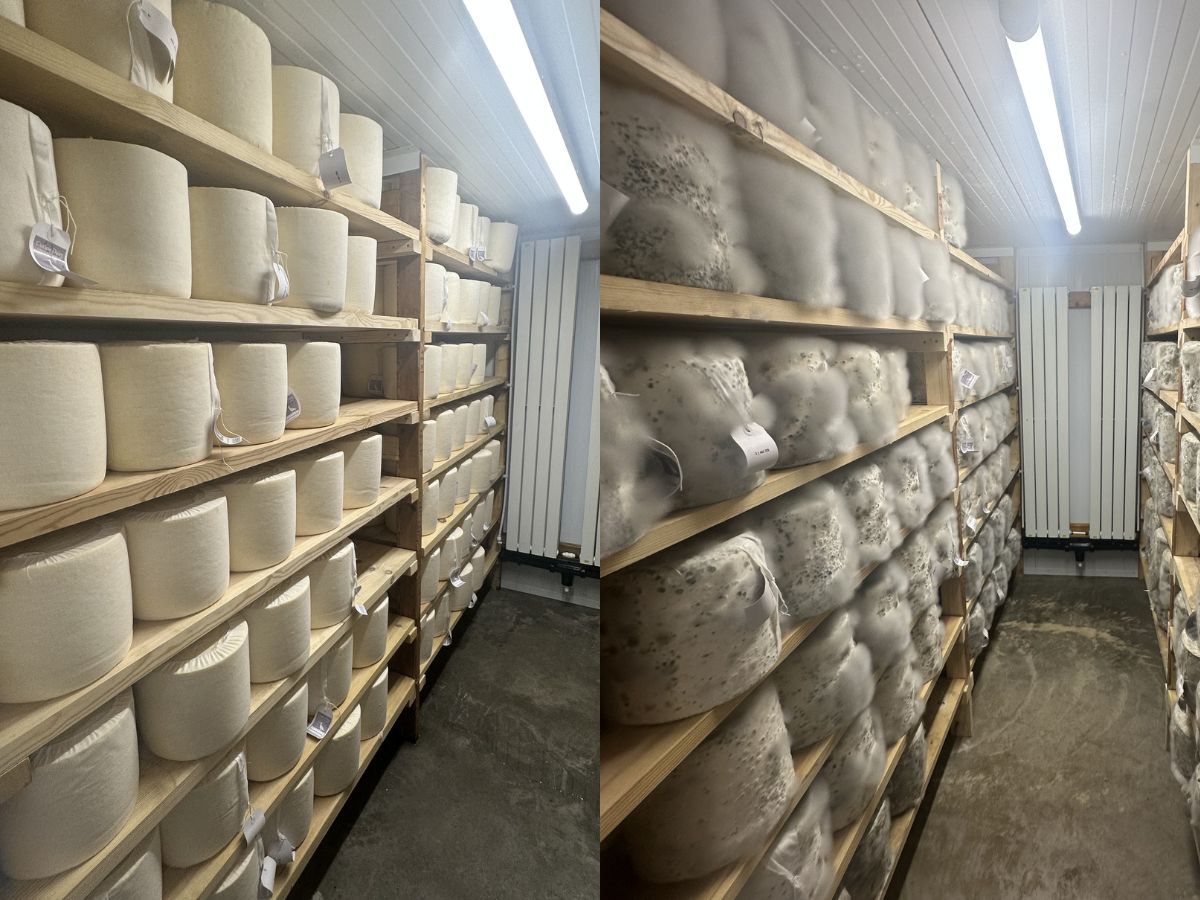
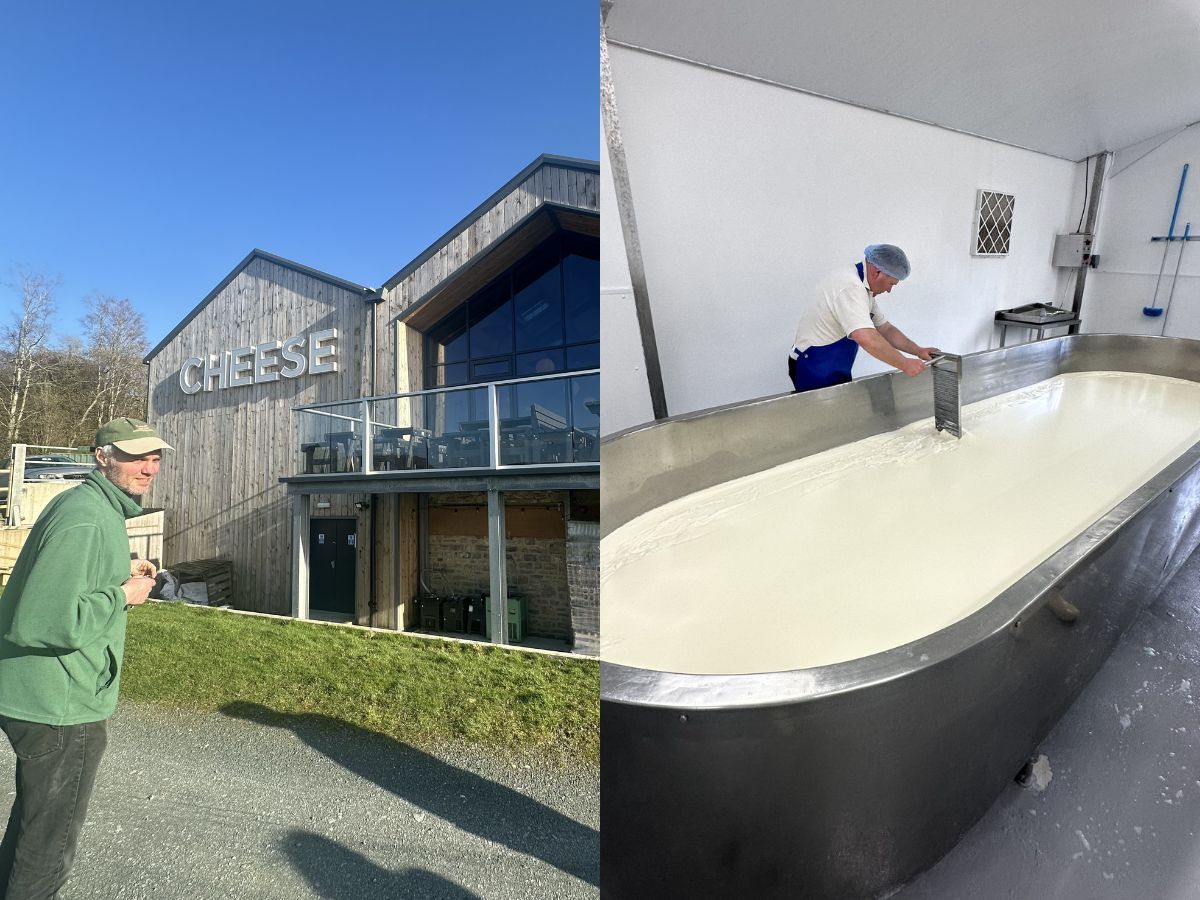
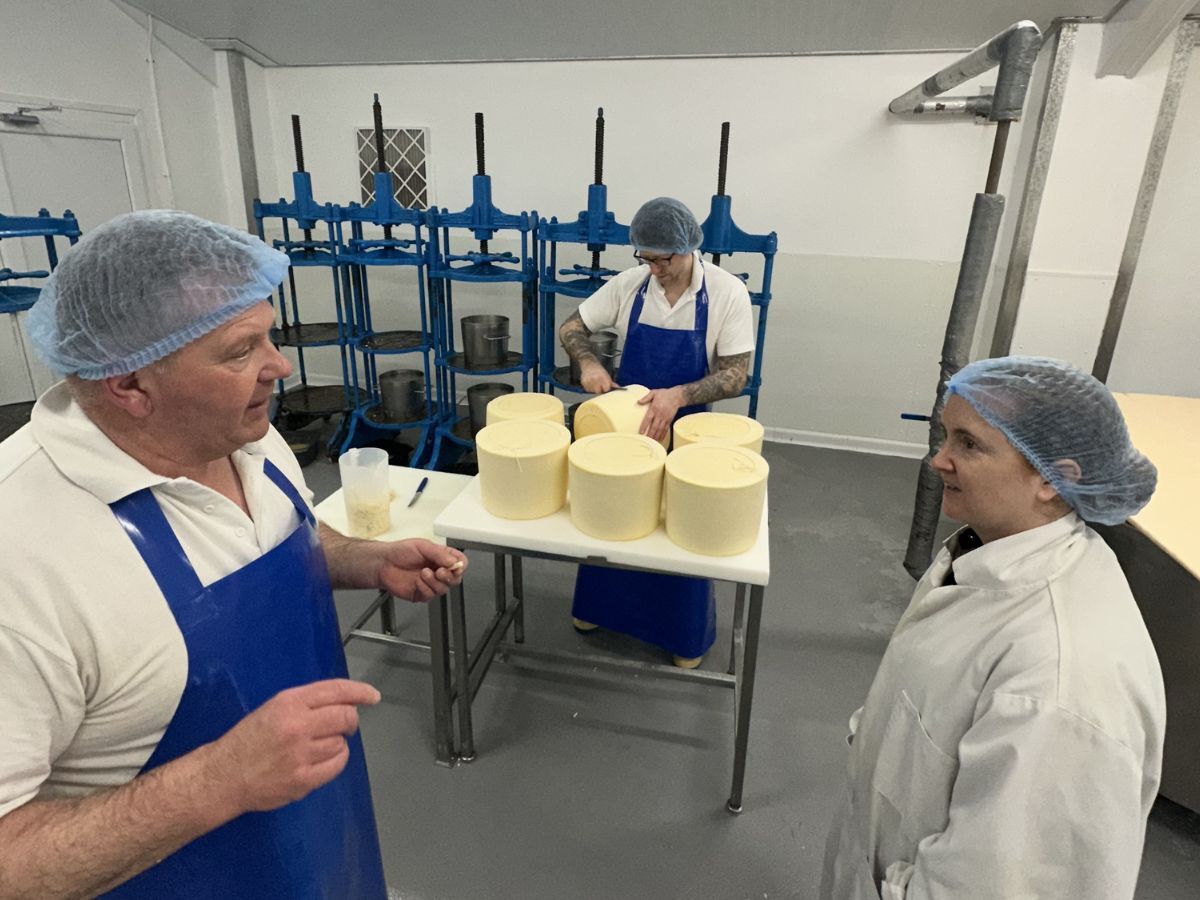
A ploughman’s sandwich got us started for the day: Generous hunks of Lancashire cheese and local bacon sandwiched between two pieces of bread. Perhaps craving a vegetable, I added a bit of chutney to mine. After breakfast we joined cheesemaker Graham in the make room. It was warm, steamy, and filled with the aroma of fresh curd. We watched Graham cut the curds entirely by hand, a physically demanding process that felt almost defiant in its refusal to modernize. The cheese, made from curds of two makes and then bound in cloth, carried generations within it.
After the make, we went to the aging rooms and tasted through 24 different batches. I expected variation, but what I didn’t expect was the unwavering quality—silky textures, bright acidity, and deep savory notes threading through each one. It was, simply, extraordinary. I was so excited to select a batch of 5 wheels specifically for Formaggio Kitchen, made on January 27th, 2026.
Butlers Farmhouse Cheeses
At Butlers Farmhouse Cheeses, makers of the Camembert-inspired cheese Tunworth, I saw a different kind of mastery: Adaptation. A change in their vat size had altered the cheese, and they were methodically working to bring it back to its signature earthy depth.
Batch by batch, we could taste the progress—proof that even the smallest decisions ripple through the final product.
Whin Yeats Dairy and Sparkenhoe Farm
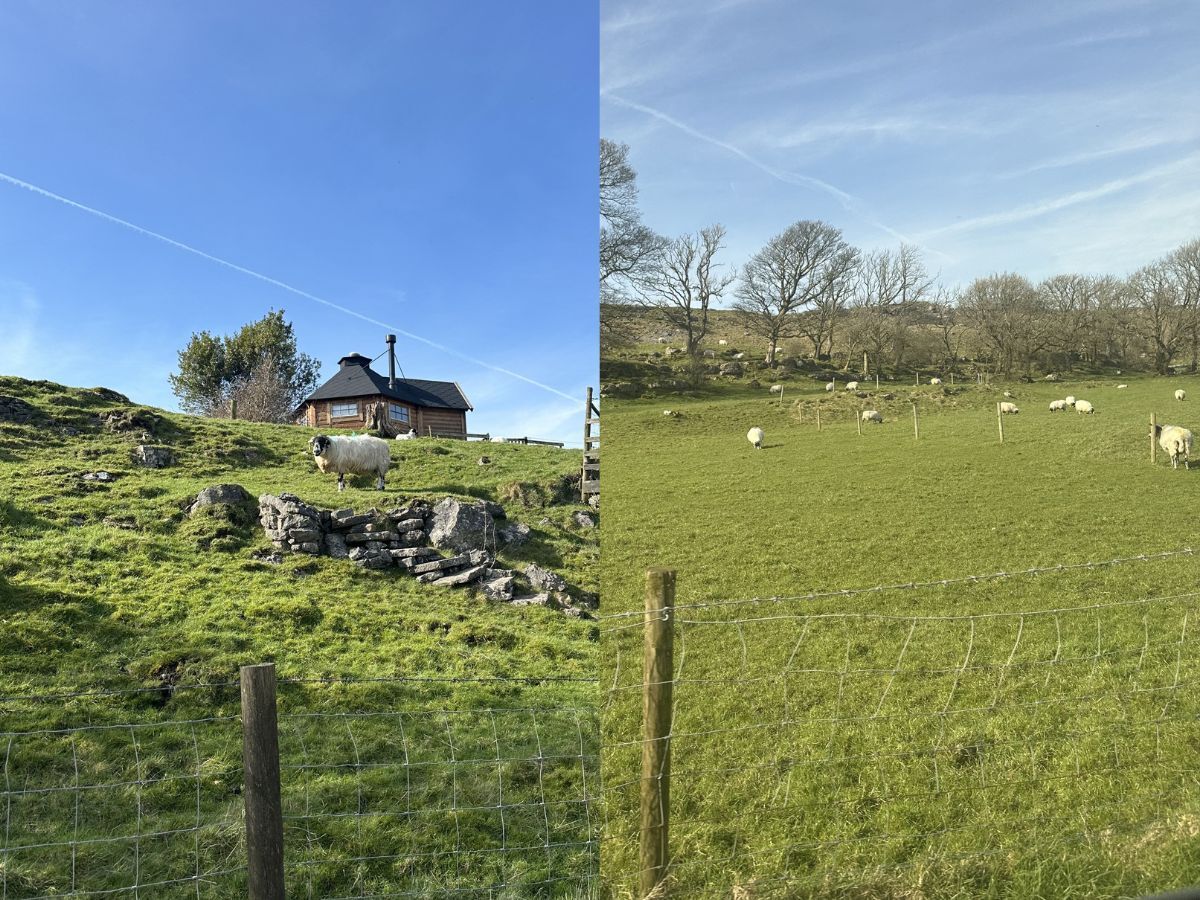
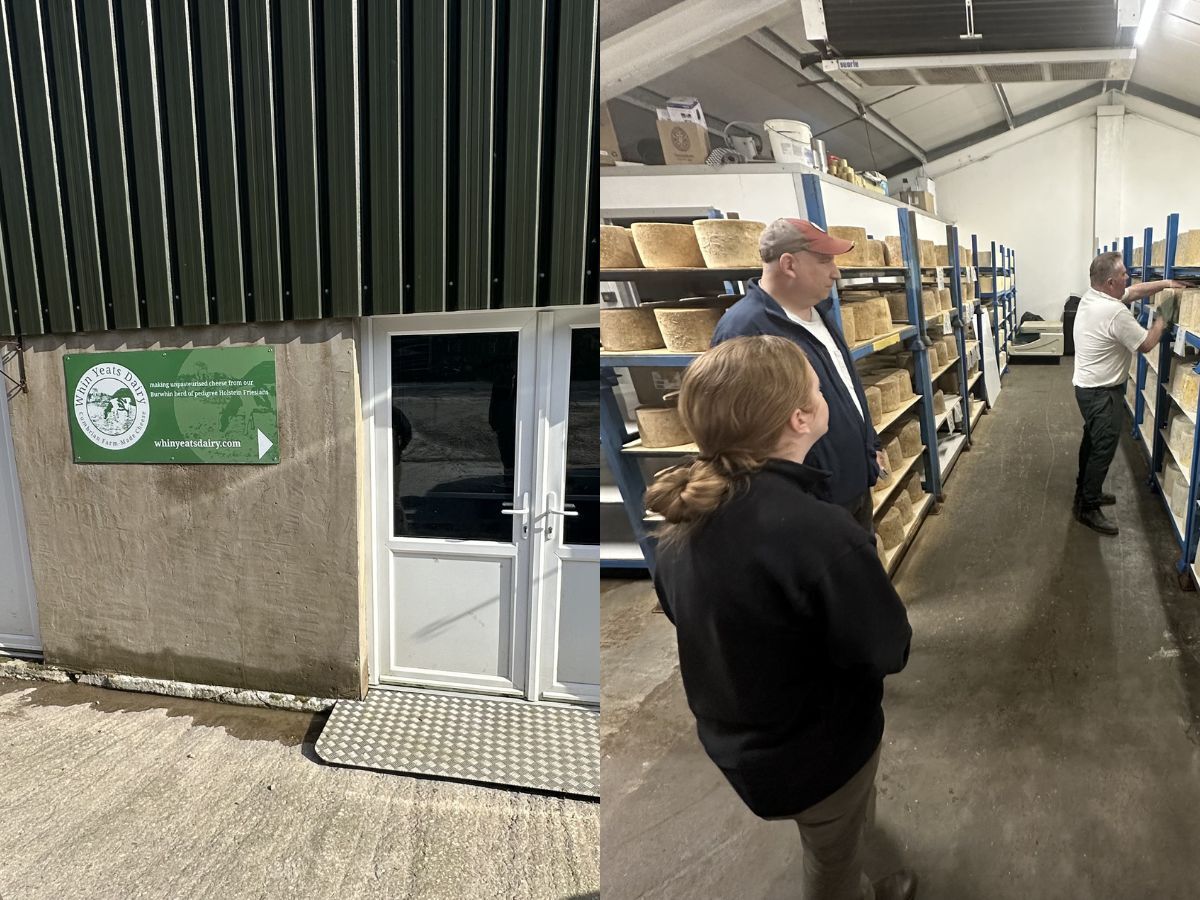
At Whin Yeats, a young dairy just finding its footing, we arrived to fields dotted with newborn lambs. There was a sense of possibility everywhere. Changes suggested on David’s last visit had already been implemented: Small but crucial steps toward building a safe and successful operation.
Afterwards, at Sparkenhoe Farm, we watched cows take their first bounding steps into open pasture after a long winter. The moment felt symbolic—release, renewal, and the beginning of something.
Their cheeses reflected that same vitality: Sparkenhoe Blue, a vivid, cream-colored raw milk blue cheese that was complex and balanced. And Red Leicester, an aged farmhouse cheese that carried the full expression of the milk with an equally impressive depth of flavor.
What the Journey Revealed
As we drove back toward Heathrow, the whirlwind rhythm of the trip finally slowed enough for reflection.
I had always believed in the importance of these cheeses, but this journey transformed that belief into something more meaningful.
It’s not just about preserving traditions—it’s about sustaining people. Families who wake before dawn. Makers who adapt or hold fast to tradition with equal conviction. Mentors who quietly invest in the next generation without seeking recognition.
Neal's Yard Dairy revealed itself not just as a selector of cheese, but as a steward of an entire ecosystem—one built on trust, care, and an unwavering commitment to craft.
Bringing It Home to Formaggio Kitchen
Back at the cheese counter, these cheeses will carry more than flavor. They will carry mornings in farm kitchens, conversations in aging rooms, and the quiet dedication of the people behind them. If there’s one thing this journey made clear, it’s this: These cheeses only exist if we choose to support them.
And now, having seen all the labor, knowledge, and passion that goes into them, that choice feels more important than ever.